Iced tea is the perfect refreshment for warm summer days. It cools you from the inside out and keeps you hydrated. And here’s a bonus: cold drinks have been shown to help overweight people reduce their body mass index through a process called “thermogenesis.”
Unsweetened iced tea is flavorful yet has no calories, so you can drink as much of it as you want. If you’re on Nutrisystem, it will count towards your daily water goal. Better yet, you can pump up the taste with ingredients that don’t load on the calories.
Iced tea is easy and fun to make. In fact, you can choose from a few different brewing methods depending on your time and tastes. Learn how to make iced tea with these three simple methods:
1. Fastest: Hot Tea + Ice
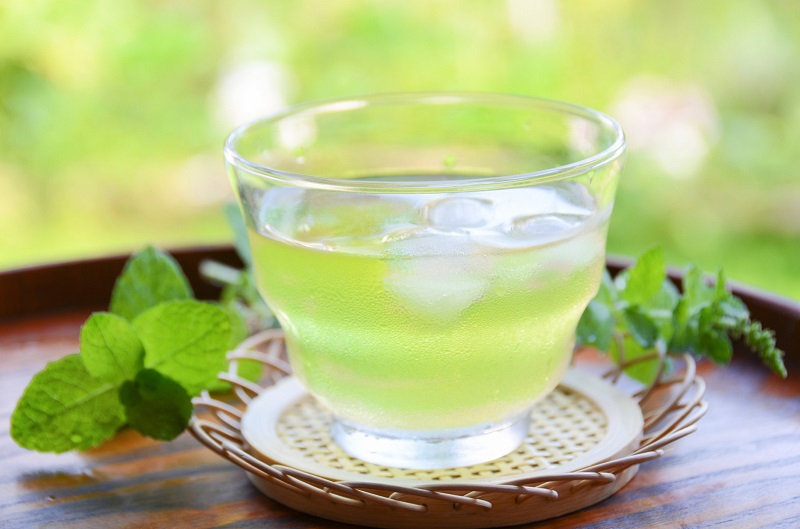
You can have glass of iced tea ready to drink in about 15 minutes by brewing a cup of hot tea, allowing it to cool, then adding ice. When making tea, avoid using water that’s been sitting in a kettle or that has been previously boiled. It may have picked up a metallic taste or other “off” flavors. Always start with fresh, cool water.
The ideal temperature for brewing most kinds of tea is below water’s boiling point of 212 degrees Fahrenheit. However, you should adjust the temperature depending on the specific tea you are using. An electric kettle will allow you to heat the water to a specific temperature. Taste of Home recommends 175 to 185°F for white tea, 180 to 185°F for green tea, 200 to 205°F for black tea and 212°F for herbal tea.
Tea bags are the easiest to use when drinking tea, but many people prefer the fresher flavor of loose leaves. Sencha Tea Bar recommends using one tea bag or one teaspoon of tea for every 10 to 12 ounces of water. When the water is ready, pour it over the tea bag or leaves, then let it steep for about five to 10 minutes. Green tea shouldn’t be steeped for longer than five minutes.
Remove the tea bag or strain out the leaves, then let the tea cool to room temperature. You can then either add ice right away or place it in the fridge for a few hours too cool down even more. Pour it over ice when you’re ready to start sipping!
Does Green Tea Help You Lose Weight? What the Research Says
Read More
2. Simplest: Sun Tea

Sun iced tea could not be easier to lean how to make. No boiling water involved! Just let it sit in the sun while you go about your day.
To make sun tea, all you have to do is place your tea in a large jar or pitcher of cool water. Cover it with a tight-fitting lid and place the jar in a bright, sunny spot. The sunlight will warm the water as the tea steeps, slowly extracting the flavor. Leave the jar in the sun for about three to five hours, then remove the tea bags or strain out the leaves. Refrigerate, serve with ice and enjoy.
According to Taste of Home, “Sun tea has a nostalgic feel to it, but there is a small chance of bacterial growth by leaving tea out in these temperatures. You can minimize the risk by sterilizing the tea bags: Pour enough boiling water over the tea bags to get them fully wet.”
3. Tastiest: Cold Brew Tea

Hot water brings out compound called “tannins” in tea, which can give it a slightly bitter flavor. Cold brewing prevents the bitter tastes from developing, while still extracting the good flavors in tea. (Cold brew coffee, by the way, has become popular for the same reasons.)
Sencha Tea Bar recommends using loose leaf tea for this method because they offer more flavor. They explain, “Since we’re removing heat from the process, you’ll need all the flavor you can get for a tasty cup.”
Place your tea in a large jar or pitcher of glass water. Cover with a tight-fitting lid and put the jar in your refrigerator for six to 12 hours. Once you hit the six hour mark, Sencha Tea Bar suggests tasting the tea every hour until it reaches your desired strength. Take or strain out the tea and pour over ice.
10 Simple Hacks to Help You Drink More Water
Read MoreMore Helpful Tea Tips:
Tea Types
Black tea is the most familiar type of tea and it has the strongest tea flavor. It is the base of popular teas like Earl Gray and English Breakfast blends. The main difference with black teas is that the tea leaves are fully oxidized before being heat-processed and dried. The flavor profile can vary greatly, but it generally has a rich, bold taste that is more bitter than green tea.
Green tea leaves come from the same plant (Camellia sinensis) as black tea, but they are not treated the same way after harvesting. They are “minimally oxidized,” meaning they are quickly heated and dried after they are harvested. This changes the color and flavor of the tea, making it lighter all around. It typically has less caffeine than black tea and the flavor can be grassy, sweet or seaweed-like.
White tea also comes from the same plant as black and green tea. However, it’s minimally processed and harvested earlier than other varieties. They have a “delicate” taste that can have notes of floral, honey, grass, fruit and citrus. Most white tea is handpicked and it has a lower caffeine content than green or black tea.
Other tea varieties include oolong tea and herbal teas, such as mint or chamomile. These also taste delicious and refreshing over ice.
Flavor Boosters
You can take your tea’s taste to the next level without adding on calories. Fresh lemon and lime juice are Free foods for your Nutrisystem healthy eating plan, so you can use as much of them as you like. Want to sweeten your tea? Try stevia, a natural zero-calorie sugar substitute that dissolves in cold water.
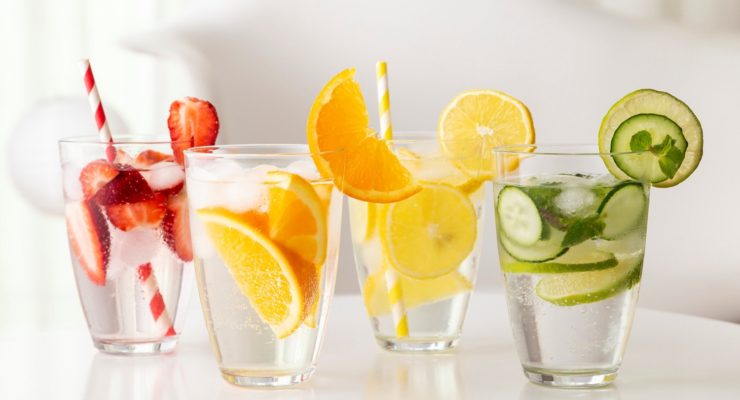
Fruit can enhance the flavor of your tea, too. Adding frozen berries or peach slices keeps your tea cool and sweetens the taste. When making a whole pitcher of tea, add these flavorings with each glass so they don’t slowly break up in the pitcher before you have a chance to drink them.
8 Infused Water Recipes to Sip on This Summer
Read MoreThe post 3 Easy Ways to Brew Iced Tea appeared first on The Leaf.
Comments
Post a Comment