A healthy lifestyle is built from healthy habits. Instead of motivating yourself each time you want to exercise, eat healthy portions, get adequate sleep or meditate, these behaviors become automatic … the same way putting on your seat belt is automatic when you get in a car, or grabbing your phone to scroll is automatic when you feel a little bored.
But building those habits takes time. You may have heard that a new habit takes 21 days to form, but it can take much longer. In a study, scientists found that new habits took an average of 66 days to take hold. For some participants, habits took up to 254 days—most of a year—to stick.
So give yourself time, and help yourself along with these seven research-backed ways to reinforce your new year habits.
1. Make your new year habit specific and bite-sized.

In a study, researchers found that smaller goals work better. One group of children were assigned to try to do six pages of math problems in each of seven study sessions. Another group was just told to try to finish all 42 pages by the end of the seventh session. The group that broke things down into six at a time were much more successful.
You’re not a kid learning math, but this works for you, too. Instead of setting a goal that “I’m going to exercise more,” or even “I’m going to exercise five times per week,” make it specific and smaller. Try setting a goal like “I’ll work out for 15 minutes every weekday,” or “I’ll walk for 20 minutes every day.”
Too big? Go even smaller: Set a goal to walk for just five minutes per day to start, so the habit is easy to stick to.
2. Set a time for your new habit.
Research has shown that goals are more likely to be achieved when they’re tied to a situation. You’re more likely to perform behavior Y if you do it when situation X arises, versus just saying, “I’m trying to do more Y.”
One way to create a “situation X” for your habit is to set a time for it: Just like you brush your teeth when you wake up, tie your new habit to a specific time or event during your day. Building on the walking habit from above, aim not just to go for a five-minute walk every day—go for that walk after lunch, or before breakfast, right when you get home from work, or at another time that works for your schedule.
3. Associate your habit with fun.

You don’t need a scientific study to tell you that you’re more likely to do things that you enjoy, but here’s one anyway: Scientists have found that when a workout is fun, people are more likely to do it. And when a class has music, students are more motivated to learn.
Tie your new, healthy habit to something you enjoy. Go to a fun exercise or dance class if you don’t like traditional gym workouts. Or don’t just go for a post-lunch walk: listen to a new true crime podcast you really love while you do it!
4. Partner up!
Don’t go it alone! One study found that when you tell someone else you’ve got a goal, you become 65 percent more likely to accomplish it. And when that partner checks in with you regularly, your chances of success skyrocket to 95 percent.
Find someone else who also wants to form a healthy habit—the same habit as you, or another one—and check in with them daily. Cheer each other on, keep each other accountable and you’ll both be more likely to succeed.
DID YOU KNOW?: Nutrisystem offers Partner Programs designed for two people! Lose up to 20% more weight together versus trying it on your own.*
5. Reward yourself for performing your habit.

Habits are built on a loop of a cue or trigger, followed by a routine, and then a brain chemical reward. Here’s an example: Let’s say you have a habit of eating a sugary snack right after work. Your cue is arriving home from work. The routine? Grabbing the sugary snack. The reward is the feel-good chemicals, like dopamine, that are released by your brain when you eat them.
When we develop new, healthy habits, we often forget to reward ourselves. When you perform your goal habit, reinforce it with a reward: Even just giving yourself a mental high five or telling yourself that you’ve done a good job can provide a chemical reward that may help you do it again. Speaking of which…
6. Say your new year habits out loud each day.
When you say your goals or affirmations about yourself out loud, your brain believes you. In a study, scientists found that “future oriented” self-affirmations activated the brain’s rewards systems, and also led participants to be more active. So saying “I will” in a statement you say aloud makes your brain light up, and makes you more likely to achieve the goal.
Use this power to your advantage! Write down your bite-sized, time-specific habit goals, and say them each morning: “I will walk for 20 minutes after lunch today while listening to my favorite true crime podcast.” Do so, and you could be more likely to succeed.
7. Make your environment help you.
“Out of sight, out of mind” isn’t just a cliché. When it comes to goals, it’s real. A research review from 2018 found that “environmental pressures” helped people reach goals more than just trying to will themselves to change.
That can literally mean keeping temptations away from yourself. In one study, scientists found that when a candy dish was further away, office workers ate less candy than when it was close at hand. So if there are tempting, triggering snacks you’re hoping to avoid, make them hard to reach. Store them in a high, deep cabinet that requires you to really work to get them. This creates time for you to consider whether you really want to indulge.
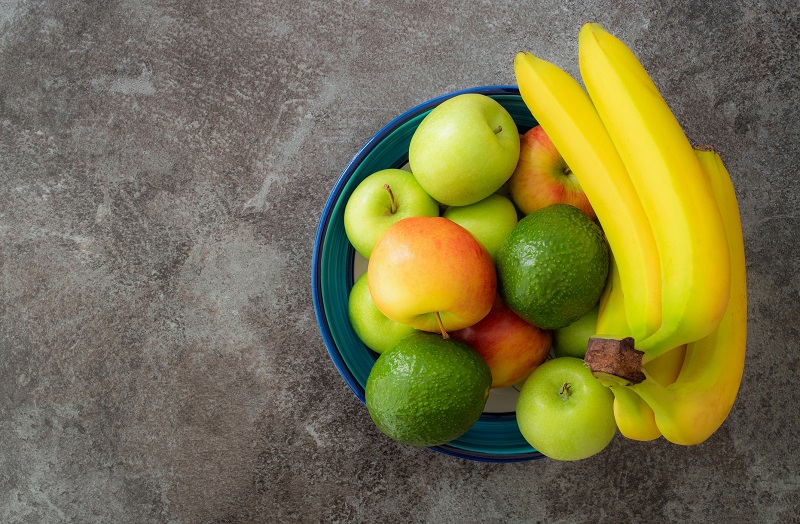
And to reinforce positive habits, make your environment push you towards things that help your goals. Place a bowl of fresh fruit out where you can see it. Store your packed gym bag or walking shoes right by the door. Keep a Nutrisystem snack bar handy in your purse or work bag for when a sweet craving strikes. Or fill the front of your fridge with pre-cut, tasty vegetables so they’re easy to grab and munch on.
*Scientific literature shows better results among small groups compared to those who tried losing weight alone.
The post 7 Science-Backed Ways to Make Your New Year Habits Stick appeared first on The Leaf.
Comments
Post a Comment