Did you know that only about 1 in 5 people manage to lose weight and keep it off for the long haul? It’s a discouraging statistic, but the reason is clear: most people can find the motivation to make lifestyle changes temporarily. However, without making permanent adjustments to their daily health habits, those results won’t stick.
In other words, you can boost your ability to achieve lasting weight loss by building healthy habits that you can maintain long-term.
How do you do this? According to behavioral scientists from Stanford University, the key is to do less, not more. They’ve found the best strategy for making new habits stick is to start with tiny habit goals and let your success in achieving them stoke your motivation for nailing bigger goals.
Let’s break down what this looks like, why it works and how you can start using this winning strategy to reach your health goals.
What is a Tiny Habit Versus a Regular Habit?
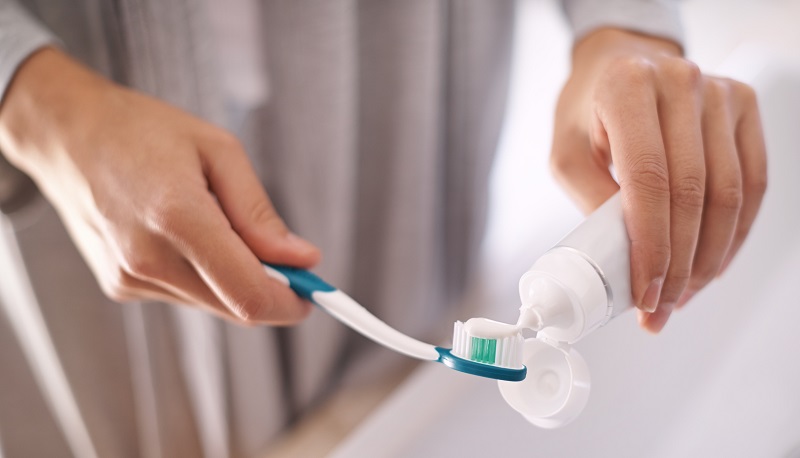
In simple terms, our habits are behaviors we consistently do, often without a second thought. For example, grabbing a coffee on the way to work, turning on the news after dinner, or brushing our teeth before bed. Some of our habits are positive, moving us toward our goals. While others, not so much.
When it comes to weight loss, we can increase our ability to achieve long-term success by creating more positive, healthy habits. Why? Because when a behavior becomes a habit, it becomes second nature, reducing the need for constant conscious effort and decision-making. Therefore establishing sustainable healthy habits not only eases the mental strain associated with healthy choices but also significantly increases the chances of sticking with lifestyle changes long-term.
The thing is, as you are probably well aware, building and changing habits can be really difficult. However, Stanford behavioral scientist BJ Fogg says starting small – like super small – can make this process much more manageable.
Dr. Fogg’s approach, rooted in classic behavioral theory, suggests that instead of trying to start a daily habit of walking 30 minutes, you commit to only 30 seconds of extra walking each day.
The idea is that you are setting goals that are so simple, it’s nearly impossible for you to fail. Doing so creates the opportunity to succeed, establishing a positive reinforcement loop. Each little win compounds into bigger and bigger achievements that ultimately push you forward into lasting positive change.
But, can such a simple approach really work?
Why Tiny Habits Work
Maybe you’ve heard the classic advice that it takes 21 days to form a new habit. The basis for this advice is that repetition drives habit formation. While this may be partially true, it’s not the complete picture.
Research suggests that emotions play a significant role in creating habits that stick. Specifically, experiencing positive emotions after completing a task increases the likelihood of repeating the task. This effect is where the power of tiny habits lies.
Too often, we set unrealistic behavior goals, setting us up for negative feelings like disappointment and shame. Feeling bad about ourselves and our progress kills motivation. But the fault is not in our willpower; it’s in our goal setting.
Alternatively, by setting super tiny, manageable goals, we create a path to success that allows us to experience proud and positive emotions with each achievement. This strategy helps us build new skills, boost our motivation and cement our commitment to long-term change.
Another intriguing consequence of setting small goals is that it reshapes our self-perception. According to Dr. Fogg, each little triumph, whether walking or increased vegetable consumption, reinforces the idea that we are the kind of person who engages in these healthy behaviors. As this thinking pattern strengthens, we naturally align our actions with these newfound beliefs, further solidifying our healthy habits.
In essence, achieving tiny goals creates a powerful positive feedback loop that transforms how we perceive ourselves and how we behave.
Convinced or still skeptical? Try it out for yourself! Read on to learn how.
3 Essential Steps To Building a Tiny Habit
According to the Fogg Behavioral Model, successful tiny habit building requires three simple steps:
- Pick a tiny habit. Each habit should be something that you can do daily in 30 seconds or less. Make sure it’s a behavior that means something to you and helps you build up to a bigger goal.
- Connect the new habit to an existing habit. You need a cue that triggers your new behavior. Identify a habit you already have set, and plan to complete your new habit immediately after your existing one. Here’s an example: I’ll do 10 jumping jacks (new habit) immediately after I brush my teeth in the morning (existing habit).
- Create a reward. Positive reinforcement is crucial to making habits stick. Reward yourself immediately after completing your tiny goal with something as simple as a congratulatory word to yourself. “Woohoo, got it done!” or “Awesome, I’m unstoppable!” are good options. It may feel silly, but the idea is to create a flood of happy emotions with each completed tiny task.
Need more inspiration for what tiny habits could look like in your daily routine? Check out the examples below.
Tiny Habit Examples
Remember, tiny habits should be related to long-term goals you want to achieve, not tasks you think you “should” be doing. Use these examples to help you find things you find fun and meaningful.
- After I get seated in the car, I will close my eyes and take three deep, restful breaths.
- After I set the coffee to brew, I will do five squats.
- After I brush my teeth, I will do 30 seconds of stretches.
- After I plug my phone into the charger at night, I will set out vitamins for the next day.
- After I finish my last bite of a meal, I will put my plate away immediately.
- After I get into bed at night, I will pull out my journal (I can work up to writing in it).
- After getting out of the shower in the morning, I will say one thing I’m grateful for.
- After finishing the dishes, I’ll walk 30 seconds up and down the stairs.
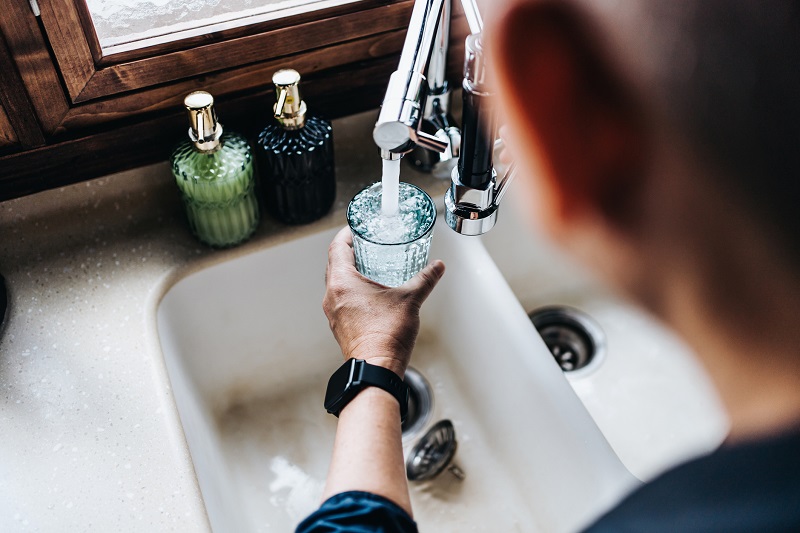
- After I go to the bathroom, I’ll drink a glass of water.
- After a meeting ends, I’ll walk for 30 seconds before returning to my desk.
Your Next Steps

Ready to harness the power of tiny habits to propel you toward lasting weight loss success? Pick one tiny habit to focus on this week. Don’t think too hard about it; you can always adjust as you go. The most important thing is to get started.
Attach your new habit to an existing habit as a cue. Then make sure to celebrate your win to create positive reinforcement.
For extra support, Nutrisystem’s free tracking app, NuMi, is an excellent resource for goal setting and keeping tabs on your progress. Also, because Nutrisystem believes success is achieved by taking action, there are a variety of flexible weight loss plans to help you get started in the way that works best for you. For example, if you want to improve your breakfast habits, you can order Nutrisystem breakfasts and know you have an easy, well-balanced and delicious choice to lean on during busy mornings.
Remember, while it’s tempting to “go big or go home” with your weight loss goals, true success comes from the small daily actions you stick with long-term.
References
- Wing RR, Phelan S. Long-term weight loss maintenance. Am J Clin Nutr. 2005;82(1 Suppl):222S-225S. doi:10.1093/ajcn/82.1.222S
- Kilb M, Labudek S. Effects of behavioral performance, intrinsic reward value, and context stability on the formation of a higher-order nutrition habit: an intensive longitudinal diary study. Int J Behav Nutr Phys Act. 2022;19(1):105. Published 2022 Aug 12. doi:10.1186/s12966-022-01343-8
- Fogg B. A behavior model for persuasive design. ACM International Conference Proceedings Series. 2009; 40: 1-7. of the ACM International. doi.org/10.1145/1541948.1541999.
- Lally P, Gardner B. Promoting habit formation. Health. Psychol Rev. 2013;7:S137–S158.
- Stanford University. Fogg Behavior Model. Stanford Persuasive Technology Lab website. Accessed June 26, 2023. Available at: https://behaviordesign.stanford.edu/resources/fogg-behavior-model.
The post How to Build Tiny Daily Habits That Lead to Big Results appeared first on The Leaf.
Comments
Post a Comment