A good night’s sleep is just as important as a good diet and home exercise plan to help you lose weight. Many studies have found a link between lack of sleep and weight gain. One big reason: Your hormones—specifically the ones that regulate hunger. One study, for example, found that sleep-deprived people had higher levels of the appetite-boosting hormone ghrelin and lower levels of leptin, the hormone that tells you when you’re full. You know what happens when those two are out of balance.
Another reason: When you’re tired, your energy levels are likely to make the couch—and not the walking trail—look like the perfect place to be. In fact, a 2008 review study, published in the journal Obesity, found that sleep-deprived people spent more time watching TV than doing something active.

10 Ways Sleep Deprivation Affects Your Health
Read More
Most sleep experts recommend that you maintain a consistent sleep routine: Go to bed and get up at the same time every day, even on the weekends; exercise regularly; get a good dose of sunshine (to set your internal clock); keep it low-key before you hit the hay, and avoid foods and beverages that can interfere with your eight hours. Here are six foods you should never eat before bed:
1. Anything with Caffeine
You know tea and coffee have this pick-me-up ingredient that can keep you awake at night, but did you know that chocolate and colas do, too? There are a few more sources that might surprise you that should be avoided before bed. For example, some non-cola sodas also have caffeine. One citrus-flavored brand has 41 milligrams per serving—about half the caffeine in a cup of coffee. Energy bars and drinks often rely on caffeine for their boost. And watch out for ice cream and yogurt, particularly those with coffee, mocha or “java,” which is just another word for coffee.
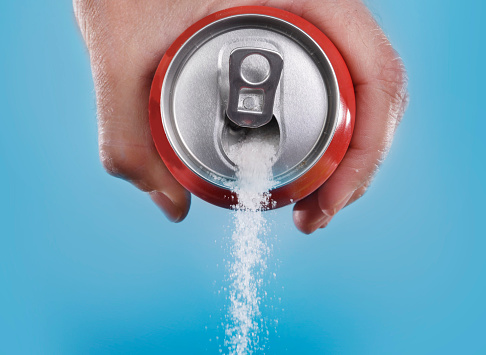
How to Cut Back on Soda
Read More2. Alcohol
A glass or two of wine may help you fall asleep, but it won’t be restful. According to the National Institute on Alcohol Abuse and Alcoholism, studies have consistently shown that having a drink or two within an hour of bedtime increases wakefulness during the second—and most important—half of the sleep cycle. You’re likely to wake up and not be able to get back to sleep readily, leaving you exhausted (and hungry) the next day. Although that glass might seem like a relaxing way to unwind, keep in mind why it should be avoided before bed.
3. Fatty Foods
There are three big reasons not to indulge in greasy burgers, fries, and full-fat ice cream during the day. You can guess the first—they’re unhealthy and fattening. But the other two relate to sleep. If you have acid reflux or even just suffer from occasional heartburn, fatty meals can wake you—painfully—many times a night. Fatty foods are harder to digest, so they’re in your digestive system longer, requiring more acid to break them down. Plus, they can contribute to weight gain by hurting your healthy diet and interfering with your sleep. Studies suggest that a high fat diet may decrease your sensitivity to orexin, a chemical that regulates the sleep-wake cycle. Rats on a high fat menu stopped responding effectively to orexin, decreased their physical activity, and gained weight. Add these foods to your list of things to avoid before bed for a better night’s rest.
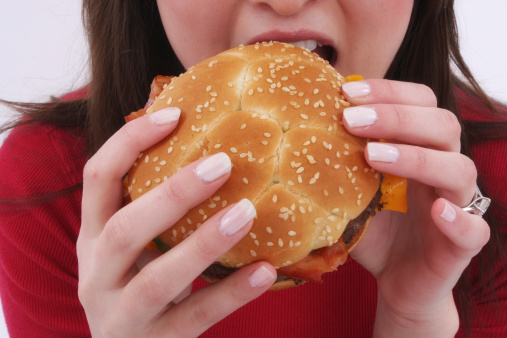
How to Cut Back on Unhealthy Fats
Read More4. Spicy Foods
Of course, we all know that spicy foods can lead to indigestion and that can keep us up at night. But that’s only one way that evening enchilada can interfere with our ZZZs. One small study found that a spicy meal (the researchers doused it with Tabasco sauce and mustard) kept their subjects up at night possibly because it increased their body temperatures. A night-time drop in body temperature is suspected to be an essential trigger for sleep.
5. Citrus Fruits
Not only does the acid in citrus trigger heartburn, aromatherapists use the essential oils of citrus fruits as an energizer—not something you want right before bed.
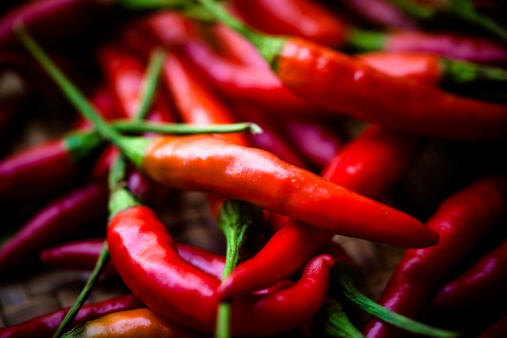
Is Spicy Food Good For You? 5 Surprising Benefits of Spicy Food
Read More6. A Big Drink of Anything
Drinking even one glass of water before bed can get you up once—or more frequently—to urinate at night. But make sure you’re well hydrated during the day otherwise what might wake you up is a painful nighttime leg cramp, usually in the calf or feet, caused by dehydration. While hydration is beneficial, avoiding over drinking before bed can help ensure a better night’s sleep.
Looking for healthy late-night snack idea? Try this recipe for Late Night Chicken Taquitos! > Then check out these five things to do tonight to lose weight tomorrow and learn to sleep better tonight to lose weight tomorrow, two excellent articles to help you learn how to lose fat.
The post 6 Foods You Should Never Eat Before Bed appeared first on The Leaf.
Comments
Post a Comment