Do you find yourself still full of energy even as the clock nears a “bedtime hour?” Or, conversely, are you tired at night but wake up ready-to-go in the morning? While many do consider themselves “in between,” or find that it changes at different points in their lives, a lot of people tend to identify as being either more of an “early bird” or more of a “night owl.” And the fact is, there’s more to it than just personal preference. There is actual science behind why some people feel their best in the morning—and some at night.
Here’s what research says about early birds versus night owls:
It’s in Your Genes
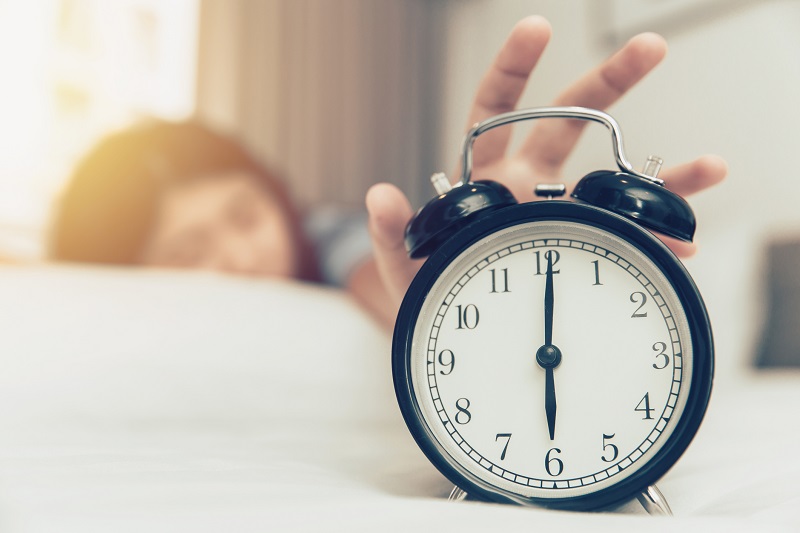
Like so many factors related to the way our bodies operate, the answer just may be written in our DNA. A study of nearly 90,000 people who had their genomes sequenced was able to identify 15 specific loci that were significantly associated with being a morning person. According to the National Human Genome Research Institute, loci tell us the location of a specific gene on a chromosome. These study findings, published in Nature Communications, joins a growing body of research looking to understand how our body clocks work. They point to the fact that we just may be hard-wired to perform our best at a certain time of day—making it a difficult thing to change.

5 Ways Sleep Deprivation is Affecting Your Weight
Read More
Can I Become an Early Bird?

Even though research seems to point toward humans being genetically programmed to have certain periods of “peak alertness,” there are still plenty of people who would like to change their body’s natural timing. Most commonly, the preference is to become an early bird—largely because of life demands such as work, school and children. In other words, just because you’re not hard-wired to be a morning person, doesn’t mean you can start rolling into work late or failing to get your kids ready for school. Many of our life commitments and demands start in the morning—whether we’re feeling ready or not. For this reason, many people look to try and alter their “body’s clock.”
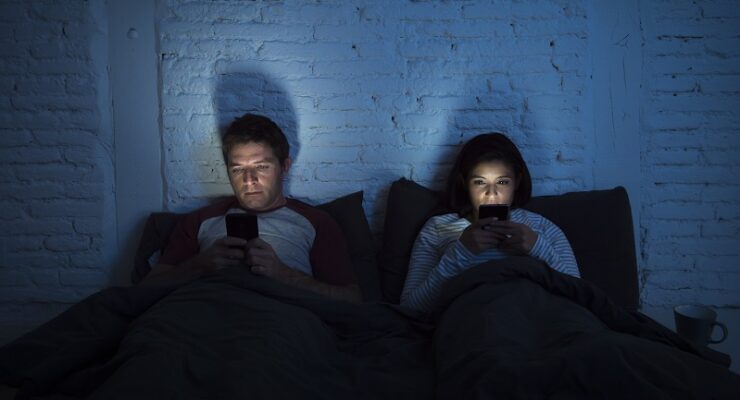
While you certainly cannot change your DNA, there are things that you can do to help get a better night sleep so that you can wake up feeling more energized. For instance, some experts recommend eliminating blue light before bed, which is emitted from electronic devices like your laptop, phone or tablet. According Harvard Health Publishing, multiple studies have shown that exposure to blue light can suppress melatonin and impact the circadian rhythm.
Though it’s challenging, this means that you should avoid watching TV or looking at your phone or computer for up to two to three hours before going to sleep. Adhering to a regular sleep schedule can also make a big difference, says Healthline.
Can’t sleep? Click the link below for five reasons why:
5 Reasons You Can’t Fall Asleep at Night
Read MoreUse Your Natural Tendencies to Maximize Workouts

Being aware of whether you are an early bird or a night owl might also help you to get the most out of your workouts. Plan to perform your exercise when you are at your period of peak alertness. If you are an early bird, get your exercise finished first thing in the morning whenever you can. You’ll have tons of energy and will likely push yourself harder. If you’re more of a night owl, try to fit in a stop at the gym on the way home from work or go for a run in the evening hours. Again, working with your body’s natural clock may help you perform your best and really maximize that workout in order to burn the most possible calories. On the Nutrisystem program, we recommend 30 minutes of exercise per day.
Listen to your Body

In general, just paying closer attention to your body’s signs will help you make better choices and lead an overall healthier life. If your body is telling you “I’m tired,” you might be pushing yourself too hard or trying to pull from energy that you just don’t have. Pay closer attention to what your body is telling you and make the most out of the time where you’re feeling your best.

How to Get More Sleep & Completely Change Your Life Tonight
Read MoreThe post Are You an Early Bird or a Night Owl? What the Research Says appeared first on The Leaf.
Comments
Post a Comment