“I really feel for the trees this time of year,” says Maxine, a popular greeting card character in one of Hallmark’s autumn-themed cards. “At least when I went through ‘the change,’ nothing fell off.”
What is Menopause? What is Perimenopause?
“The change,” otherwise known as menopause, is a time when a woman’s production of reproductive hormones start to decline. Though it’s frequently described as having “symptoms,” it’s not a disease.
Menopause is a normal and natural physical transition. Technically, it’s a point in time: 12 months after your last menstrual period. For most women, that occurs by the time they reach their early 50s, though it can happen earlier or later.
But in real life, what we call menopause refers to a longer stretch of time—anywhere from seven to 14 years—when you may experience disruptions in your monthly cycle and other changes. If you haven’t been without a menstrual period for 12 months, your doctor will tell you that your symptoms of menopause mean you’re in “perimenopause.”
Symptoms of Menopause and Perimenopause

Not everyone experiences perimenopause or mesopause in the same way. That’s because the waning of the hormone levels that cause it—estrogen and progesterone—occur at widely varied paces in each woman.
Some women have little to no trouble at all. They sail through, enjoying the freedom of never having to buy another box of tampons or to warn their significant others that premenstrual syndrome (PMS) is on the way.
For other women—sorry, Maxine—menopausal transition is no joke. They may experience sudden rises in body temperature called hot flashes that can leave them flushed, sweating, or wake them up from a sound sleep. (The erratic fluctuations of estrogen levels during perimenopause can cause blood vessels to constrict or dilate, causing this uncomfortable feeling of flushing. Estrogen also controls your inner thermostat.)
Some women may find themselves trading PMS for moodiness, irritability or depression. Sometimes, sex may become physically painful, largely because of vaginal dryness, the result of estrogen decline that can also lead to less hair on the head and more on the face (ugh!).
And then there’s menopausal weight gain. Nothing may fall off during “the change,” but you can add something: belly fat. What some refer to as the “meno-pot,” it’s an accumulation of fat in the waist that does more than make you start shopping for Boho tunics to cover it.
Menopausal Weight Gain and Inflammation

At menopause, belly fat isn’t just a cosmetic issue. Like an iceberg, it’s what you don’t see that can hurt you. So-called “visceral fat” is buried deeper in the abdomen (visible only on medical scans) where it takes on a life of its own. It becomes like another organ, producing proteins that cause inflammation.
Normally, inflammation is a good thing. It’s your body’s way of mobilizing your immune system to fight off infection and promote healing.
If it turns on when there are no invaders, you may have an autoimmune disease such as rheumatoid arthritis in which your immune system attacks healthy tissue. And if it doesn’t turn off at all, you experience chronic inflammation that can go on for months and years after the original trigger is gone.
Medical conditions as varied as heart disease, cancer, Type 2 diabetes and Alzheimer’s have all been linked to chronic inflammation. The risks of all these diseases go up in both men and women as they age.
Studies have found that women tend to gain weight and centrally located body fat as estrogen declines. One reason: evidence from lab animal studies suggests that estrogen helps control weight and having less estrogen may lower metabolic rate, which is how quickly the body burns calories.
You don’t need to shell out for a pricey scan to find out if you’re harboring dangerous belly fat. If your “pear shape”—heavier on bottom than on top—had evolved into an “apple shape” as you’ve aged, that’s usually a clue that you have visceral fat tucked in and around your vital organs sending out inflammation signals.
The Good News

Ok, ready for some good news? You can ease into this “normal” time of life naturally. All symptoms of menopause are treatable, most through lifestyle changes. These include making some tweaks to your menopause diet (more calcium for weight loss, fewer spicy foods and caffeine to quell hot flashes), exercising more (physical activity also declines as we age), quitting smoking, cutting down on alcohol, and using vaginal creams to combat dryness.
If your symptoms are more severe than what can be handled naturally, your healthcare provider may have other treatment options—most not hormonal if you’re concerned about the associated health risks—that can help you make this rite of passage as easy as possible. Speak to them if you have any questions about perimenopause, menopause or their symptoms.
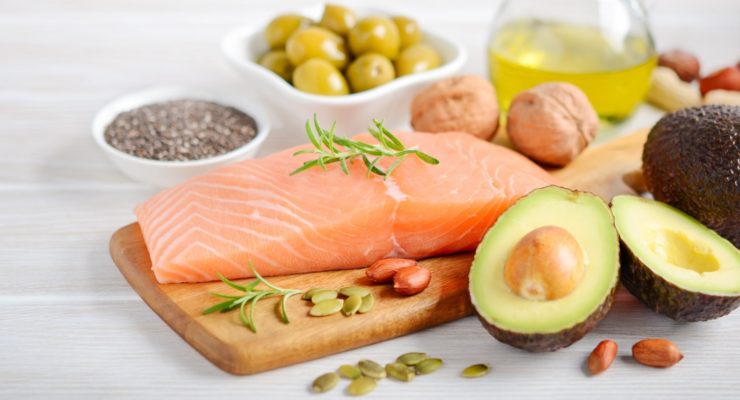
7 Diet Tweaks To Help You Sail Through Menopause
Read More
The post Menopause Simplified: What’s Really Happening When You Go Through “The Change” appeared first on The Leaf.
Comments
Post a Comment