To stay warm during the freezing season, you’ll need a coat, boots, hat, scarf and maybe even long underwear. To stay healthy, you’ll need a nutritional game plan. The right vitamins and nutrients not only help you resist the bacteria and viruses that cause colds and flu, but they also help ease symptoms of—or shorten the duration of—your winter illnesses.
These are the five nutrients your body needs more of in winter:
1. Vitamin D
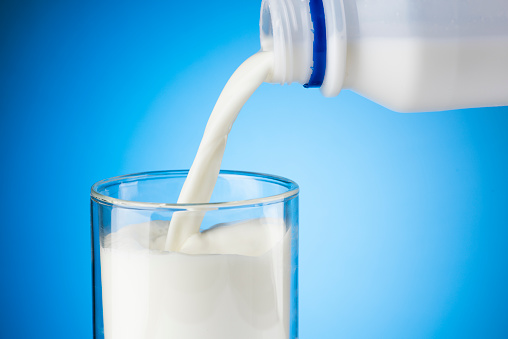
Why you need it this season: It’s in very short supply. Unless you live close to the equator, you’ll be hard-pressed to get enough vitamin D this winter. While consuming lots of liver, egg yolks, cheese, fatty fish or vitamin D-fortified foods is an option, most will be deprived of the greatest source of vitamin D—the sun. The sun’s Ultraviolet-B rays produce vitamin D right in your skin but, as you can imagine, in winter, the sun’s rays are at so much of an angle that they don’t actually enter the earth’s atmosphere. According to the Vitamin D Council, to get 1000 IU of Vitamin D in winter, you’d have to expose about a quarter of your body to the sun for about 15 to 20 minutes. If you’re in Miami, lucky you, this might not be a problem. But, if you’re in Boston, where it’s a lot colder, you might need to sunbathe an hour or two. Somehow, the second option seems a bit less fun.

7 Signs You Need More Vitamin D
Read More
Vitamin D is one of the nutrients your body needs in the winter because of its ability to work like a gangbuster in supporting a healthy immune system, deflecting cold and flu viruses, as well as bacterial infections. In fact, scientists suspect that one reason you’re more likely to get the flu in the winter is because you’re not getting enough of the sunshine vitamin.
In recent years, vitamin D deficiency has also been linked to the bone thinning disease, heart disease, cancer and even Alzheimer’s disease. It’s also linked to the bone-thinning disease, osteoporosis. In fact, older people tend to lose more bone during winter because of vitamin D deficiency.
One potential bonus to keeping up with your D in winter: A 2014 University of Georgia study published in the journal Medical Hypotheses suggests that there may be a link between seasonal affective disorder—the overwhelming depression that many people experience during the winter months—and a vitamin D deficiency caused by less exposure to sunlight. This typically occurs more frequently in people who live far north or south of the equator, according to the National Institute of Mental Health.

Are You Getting Enough Vitamin D?
Read MoreHow much you need: 600 IU for men and women between the ages of 18 and 70; 800 IU for those over 71.
Best food sources: Swordfish (three ounces, cooked), 566 IU; salmon (three ounces, cooked), 447 IU; fortified orange juice (one cup), 101 IU; fortified nonfat milk (eight ounces), 99 IU.
2. Vitamin C
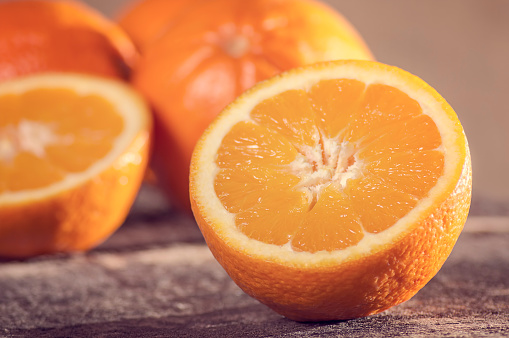
Why you need it this season: While perhaps not quite the miracle cold cure it was once considered, a 2009 analysis of studies examining vitamin C’s effect on the common cold found that this immune-boosting vitamin can slightly reduce the duration of colds in healthy people. One study published by the National Center for Biotechnology information even found an 85 percent reduction in symptoms.
Vitamin C may also help if you’re at high risk of getting a cold because of frequent exposure, according to the Mayo Clinic. Healthcare workers and teachers, who interact with other individuals all day long fall into that category. The effects are more pronounced if you’re C-deficient and about 13 percent of Americans are, even though it’s relatively easy to get C in the diet. Smokers are at greatest risk, but just one quarter of a cup of orange juice meets the adult daily requirement of 90 mg.
How much you need: 90 mg for men over 18 and 75 mg for women over 18.
Best food sources: Raw red pepper (a half cup, chopped), 95 mg; orange juice (one cup), 96 mg.; orange (140 g), 83 mg; kiwifruit (69 g), 64 mg; raw green pepper (a half cup), 60 mg; broccoli (a half cup cooked), 51 mg; strawberries (a half cup, sliced), 49 mg.
3. Essential Fatty Acids (Omega-3s)
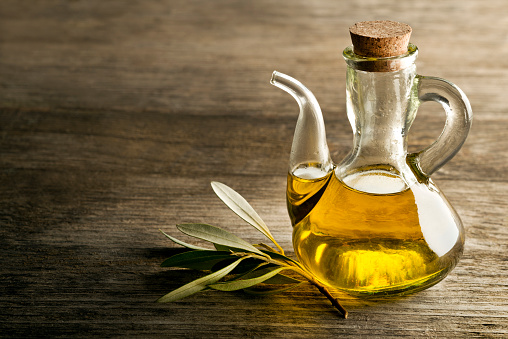
Why you need it this season: These essential nutrients are famous for their role in heart disease and inflammatory autoimmune condition (rheumatoid arthritis) prevention, but studies suggest they may also play a significant role in shoring up your immune system against the onslaught of winter illness. Omega-3s, found mainly in fatty fish like salmon and tuna, enhance the disease-fighting power of immune system cells, like white blood cells or B-cells, according to a recent study from Michigan State University researchers, published in the Journal of Leukocyte Biology.

How to Use Chia Seeds in Your Cooking
Read MoreHow much you need: There’s no official daily requirement for omega-3s as there is for vitamins, but the 2015 Dietary Guidelines for Americans recommends two, four-ounce servings of fish a week which is the equivalent of 250 mg daily of omega-3s. Most Americans get the equivalent of less than one ounce of fish per day, according to a study published in Nutrition Journal.
Best food sources: Government health agencies list food sources according to the types of omega-3 fatty acids food contain (there are three). The best sources in general are fatty fish such as salmon, mackerel, tuna, herring and sardines; plant oils such a flaxseed, soybean and canola oils; chia seeds and black walnuts.
4. Zinc
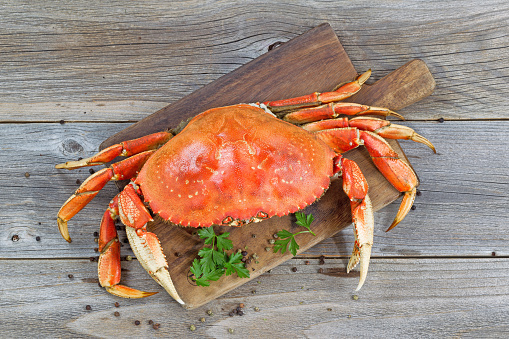
Why you need it this season: One word: Colds. You’ve probably seen a packet of zinc lozenges at the checkout counter of your local pharmacy this winter. That’s because there’s some evidence that zinc can help cut the severity and duration of the common cold—by maybe as much as 50 percent. Zinc is essential to keeping your immune system soldiers—T cells (from the thymus gland), Natural Killer (NK) cells, and lymphocytes (both kinds of white blood cells)—armed and good to go when there’s an invasion of disease-causing microbes. It also plays a role in producing antibodies to neutralize invaders.
How much you need: Men need 11 mg, while women need 8 mg a day.
Best food sources: Oyster (three ounces cooked mollusks), 28 mg; beef chuck roast (three ounces cooked, boneless), 8 mg; Alaska King crab (three ounces cooked), 6 mg; beef patty (three ounces broiled, 93% lean meat), 5 mg; fortified breakfast cereal (one cup, Multigrain Cheerios), 4 mg.
5. Vitamin A (Retinoids and Carotenoids)
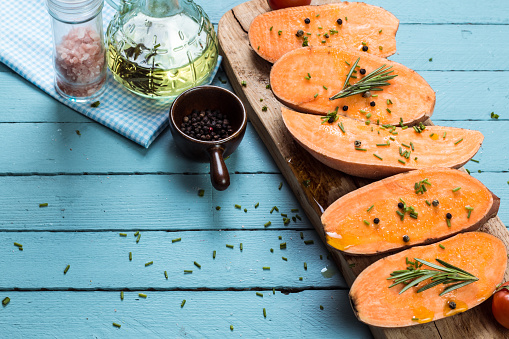
Why you need it this season: This one’s a double boost to your immune system. Like vitamin D, vitamin A has, as one researcher noted, “a crucial effect on the immune response.” This fat-soluble vitamin enhances the activity of T cells and B cells (those responsible for antibodies) and may even prevent B cells from dying. Early studies found that vitamin A could reduce death and complications in kids with measles, which is caused by a virus and is today prevented by vaccine.
You may also get a bonus if you increase your intake of vitamin A foods. Beta-carotene—the raw material from which vitamin A is made—may fortify your immune defenses on its own, even before it’s transformed to A, based on a study published in the Journal of Nutrition.
How much you need: 900 micrograms (3,000 IU) for adult men, 700 mcg (2,300) for adult women
Best food sources: Sweet potato (large, whole baked), 1,730 mcg and 34,592 IU; beef liver (one slice, pan fried, 81 g), 6,273 mcg and 21,131 IU; spinach (boiled, half a cup) 472 mcg and 9,433 IU; carrots (half a cup cooked slices), 665 mcg and 13,286 IU; cantaloupe (half a cup, cubed), 135 mcg and 2,706 IU; red peppers (sweet, half a cup, chopped), 117 mcg and 2,333 IU.
*Always speak to your doctor before making dietary changes or before starting a new supplement.
The post 5 Nutrients Your Body Needs More of This Winter appeared first on The Leaf.
Comments
Post a Comment