You know to pass on a late-night latte if you have any intention of falling asleep at a reasonable time. You’re also pretty good about limiting yourself to one episode on Netflix, instead of binge-watching into the wee hours of the night. However, what you may not realize is that there are plenty of other sneaky habits in your nighttime routine that could be standing in the way of restful sleep.
A consistent sleep schedule and getting good sleep is important for lots of reasons: According to the Office of Disease Prevention and Health Promotion, it helps to keep your body healthy and mind refreshed. It improves mood, reduces stress and decreases your risk for health issues like diabetes and heart disease. Plus, it can even help you keep your weight loss on track. To get the most out of your shuteye, make sure you avoid these six sleep-sabotaging habits!
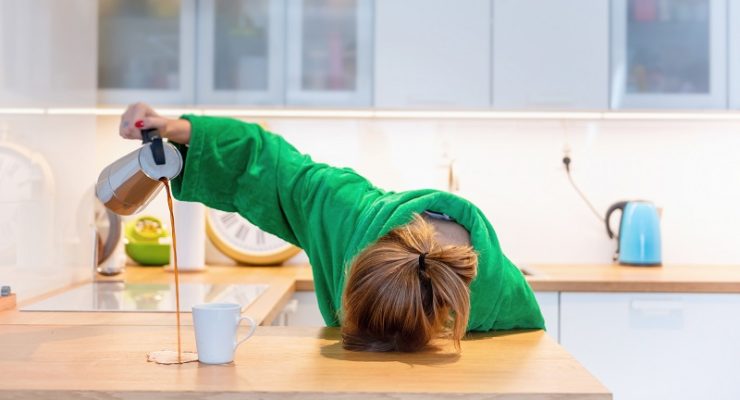
5 Ways Sleep Deprivation is Affecting Your Weight
Read More
1. You Facebook before bed.
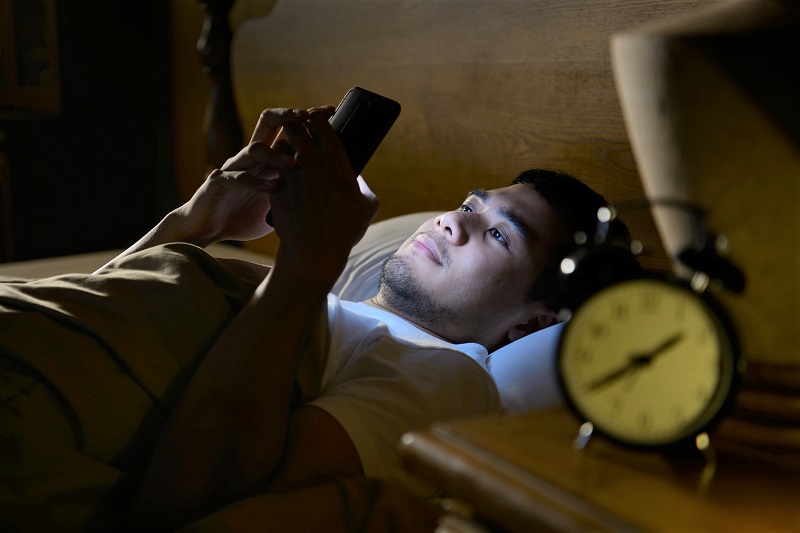
You intend a quick check but end up in a rabbit hole of posts and pictures. Not only will you lose much-needed sleep to endless scrolling but the mere act of tapping through your smartphone to scan social media or logging onto your laptop to send a late-night email keeps your brain on high alert and your body wide-awake. Plus, the light from the screen may also hinder the production of melatonin, a hormone that helps you get a more restful sleep. “Blue light can also reduce the amount of time you spend in slow-wave and rapid-eye movement (REM) sleep, two stages of the sleep cycle that are vital for cognitive functioning,” says the National Sleep Foundation.
Reduce your screen time by unplugging from all electronics at least an hour before bed—including the TV. According to the National Sleep Foundation, “The hour before bed should consist of relaxing activities that don’t involve devices with screens.
2. You skip your workout.
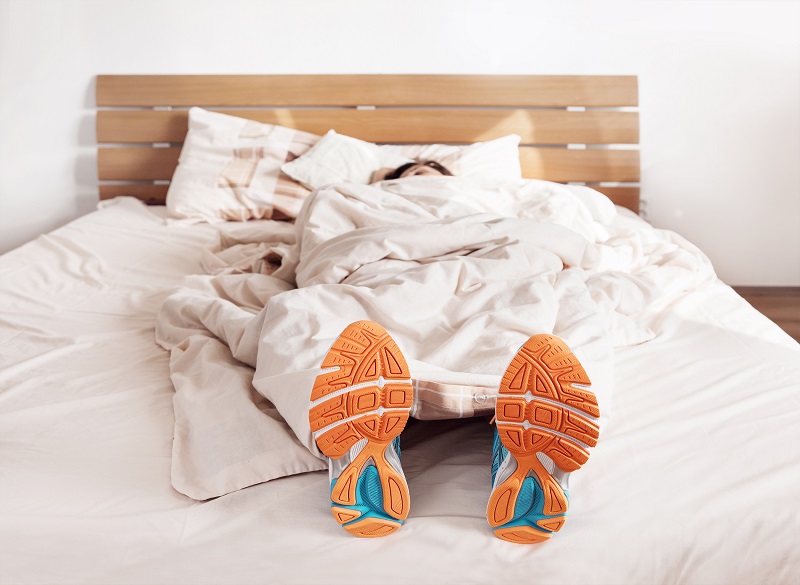
Regular physical activity not only helps you fall asleep more quickly but it also plunges you into deeper slumber for a longer period of time. According to Sleep.org, “People who get the recommended amount of exercise are 65 percent less likely to feel drowsy during the day. That may be because exercisers fall asleep faster, sleep longer, and have higher-quality shut-eye than non-exercisers.”
One very important caveat: don’t work up a sweat too close to bedtime. Intense exercise can raise your core body temperature and trigger the release of hormones that make it harder to unwind and drift off to dreamland, says The Better Sleep Council. Save the heavy-duty exercise for at least four hours before bed; closer to snooze-time, stick to yoga or stretching.
Boost weight loss and improve your slumber with this before-bed exercise routine! >
3. You eat dinner late.
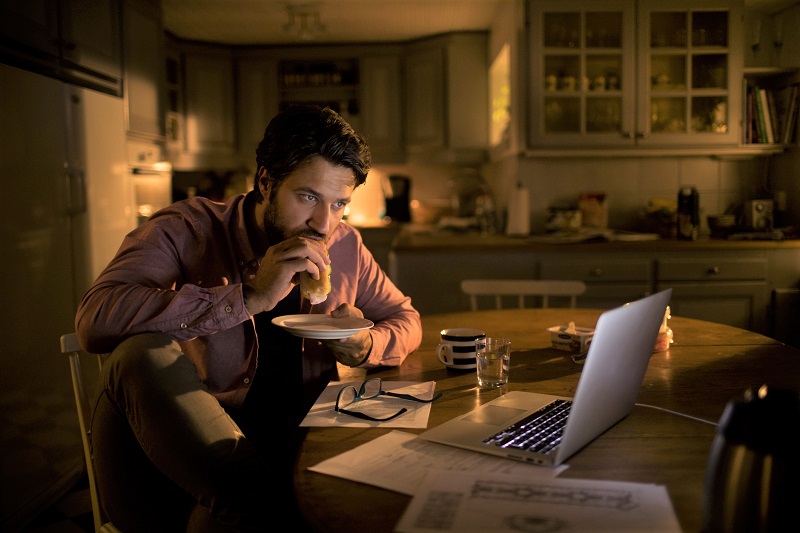
Sometimes you can’t help it: a never-ending work meeting, unexpected traffic or extra innings at your kid’s baseball game may set your evening meal back. Eating a big dinner right before bed could leave you tossing and turning with indigestion and heartburn as your body works to digest your food—particularly if it’s heavy or spicy, says the National Sleep Foundation. Ideally, The Better Sleep Council recommends trying to eat two to three hours before you go bed. If unforeseen circumstances delay dinner, keep your last meal light.
The Importance of Good Sleep and Staying Healthy
Read More4. You sleep in on weekends.
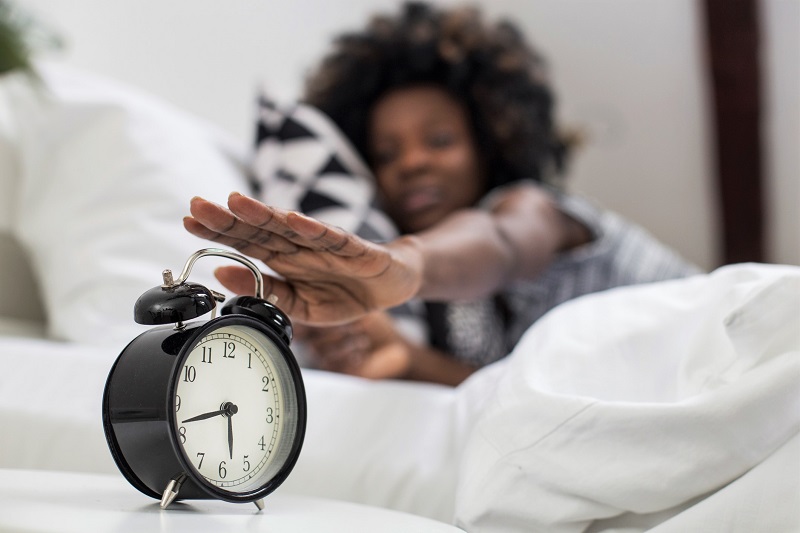
Grabbing extra ZZZ’s certainly seems like a smart idea. However, doing so may actually mess with your sleep cycle. Of all the advice you hear and read, the most important is to stick to a sleep schedule. That means going to bed the same time every night and getting up the same hour every morning—even on weekends. “Being consistent reinforces your body’s sleep-wake cycle,” says Mayo Clinic. So, how much sleep do you really need? The National Sleep Foundation recommends seven to nine hours each night for adults and seven to eight hours for older adults (65 or older).
5. You sip a nightcap with the evening news.

Alcohol may make you tired, but a glass or two of wine won’t help you sleep soundly. The effects of alcohol on sleep are well known. Research shows that drinking alcohol before bed keeps you from reaching the deep, restorative stages of sleep, says TheSleepDoctor.com. Instead, patterns will more closely resemble a resting state, resulting in waking up tired and bleary-eyed. TheSleepDoctor.com recommends avoiding alcohol within three hours of bedtime.
6. You lay awake in bed.
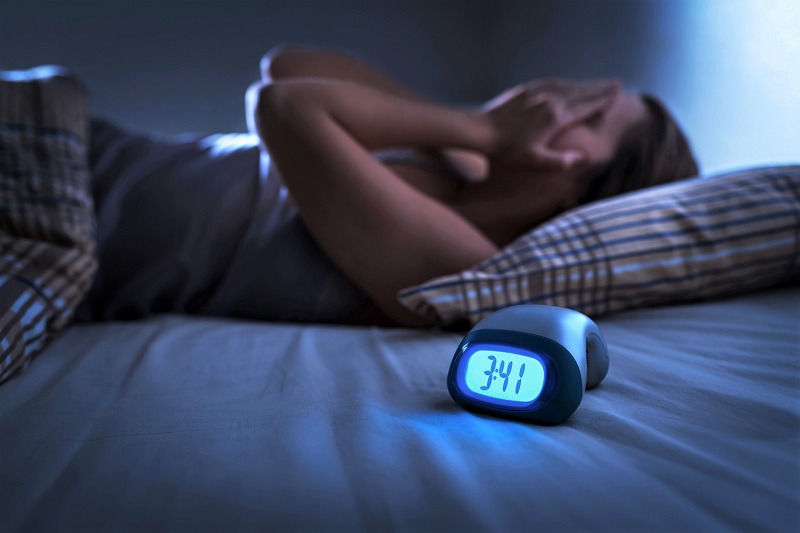
You fluff and re-fluff your pillow, adjust and readjust your blankets and get all kinds of frustrated. If this happens a lot, you may start to associate your bed with anxiety and not being asleep. “It helps to have a healthy mental connection between being in bed and actually being asleep. For that reason, if after 20 minutes you haven’t gotten to sleep, get up and stretch, read, or do something else calming in low light before trying to fall asleep again.” says the National Sleep Foundation.

10 Tips to Boost Your Immune System
Read MoreThe post How to Get Better Sleep: 6 Habits That Are Disrupting Your Sleep Cycle appeared first on The Leaf.
Comments
Post a Comment