You likely already know that eating a diet that is varied will help you to naturally get a wide range of important nutrients. But are you also fitting some fermented foods into that variety? If you’re like a lot of people, the idea of fermented foods might be new to you. However, research continues to point toward fermented foods being good for gut health and your immune system.
That makes this a food type absolutely worth fitting into your diet.
Fermented Foods for Gut Health and the Immune System
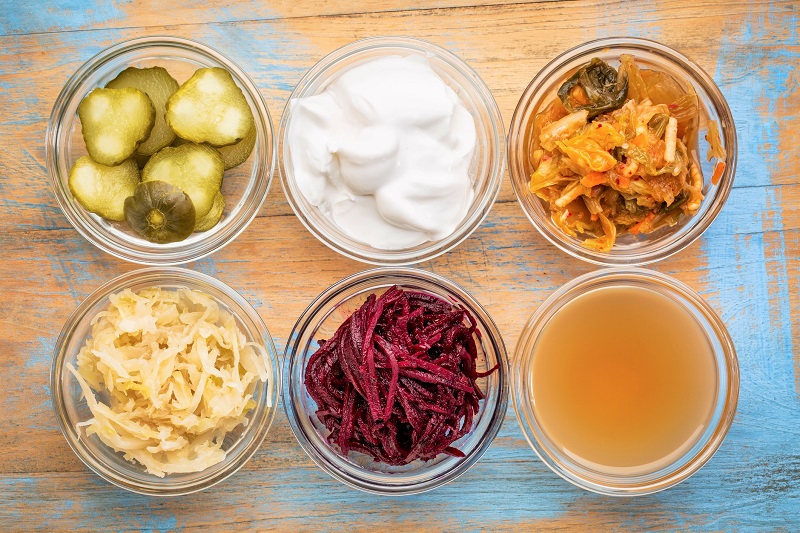
In recent years, scientists have been learning more and more about the importance of gut health. We already know that the gut is made up of trillions of microorganisms that participate in digestion as well as overall health and wellbeing.
In a new study out of Stanford School of Medicine and published in the journal Cell, researchers found that a diet rich in fermented foods enhances the diversity of gut microbes. So what are fermented foods? According to researchers, “Eating foods such as yogurt, kefir, fermented cottage cheese, kimchi and other fermented vegetables, vegetable brine drinks, and kombucha tea led to an increase in overall microbial diversity, with stronger effects from larger servings.”
But perhaps the most surprising discovery is that along with the gut microbe impact, the research also found a positive immune system response.
In the study, those who had eaten a diet that included fermented foods had four types of immune cells showing less activation. According to the researchers, 19 inflammatory proteins measured in participants’ blood samples decreased. One of these proteins has even been associated with conditions like rheumatoid arthritis, Type 2 diabetes and chronic stress.
This means that eating fermented foods might mean decreasing internal inflammation.
“Microbiota-targeted diets can change immune status, providing a promising avenue for decreasing inflammation in healthy adults,” said co-senior author Christopher Gardner, PhD, the Rehnborg Farquhar Professor, and director of nutrition studies at the Stanford Prevention Research Center. “This finding was consistent across all participants in the study who were assigned to the higher fermented food group.”
Dr. Gardner added that low diversity within the gut microbiome is associated with obesity and Type 2 diabetes. This isn’t surprising, as much evidence points to the fact that our diets create the microbiome of the gut, which has an impact on the immune system and overall health.
10 Foods for Better Gut Health
Read More
How to Eat More Fermented Foods

Of course, getting more fermented foods into your diet might sound like a daunting endeavor. Anything “new” often sounds scary. Fortunately, there are many delicious and nutritious fermented foods (and recipes using them) that fit into the Nutrisystem meal plan! As the researchers from the study mentioned, examples of fermented foods include yogurt, kefir, fermented cottage cheese, kimchi (and other fermented vegetables), vegetable brine drinks and kombucha tea are all great choices.
Fermented options like kombucha and kimchi have become much more widely available in grocery stores—already prepared and ready to drink or eat. Some people have said that the flavor of kombucha takes some getting used to—and that’s okay. We’ve found that mixing up some different kombucha cocktail recipes is one way to add some flavor you’re more familiar with, make the drink more appealing. For instance, our Pomegranate Ginger Kombucha recipe is really easy to mix up and has some flavors you already know and love. Our Easy Rosemary Grapefruit Kombucha Mocktail recipe is also a sweet, sour and satisfying sip.
When it comes to fermented foods, they can also be mixed in with classic favorites rather than eaten alone. Fermented veggies like sauerkraut and pickles make a delicious and crunchy addition to your Nutrisystem Classic Hamburger, Grilled Chicken Sandwich or even a healthy pulled pork recipe.
We also love mixing some kraut or kimchi into scrambled eggs, pairing them with sausage and veggies, or making it into a Tomato and Sauerkraut Grilled Cheese Sandwich. And don’t forget our recipe for Air Fryer Pickles!
With the benefits of fermented foods being so important, it’s definitely worth finding ways that you can incorporate them into your diet.
*Always speak to your doctor before making any changes to your diet.

10 Tips to Boost Your Immune System
Read MoreThe post Fermented Foods and the Immune System: The Surprising Connection appeared first on The Leaf.
Comments
Post a Comment