The COVID-19 pandemic has led to a surge in RV purchases, rentals1 and participation in all forms of camping2 which, as vacations go, can be the ultimate in social distancing.
Many people who now call themselves “campers” took their first camping trip in 2020, according to the North American Camping report, an annual survey of camping activity sponsored by Kampgrounds of America (KOA).3
It makes sense. The Centers for Disease Control and Prevention considers camping a “low risk” activity, as long as you stay six feet away from people you don’t live with and wear a mask when around others.4
Plus, being in the outdoors is good for your mental health, which has probably taken a beating during these anxiety-provoking months.
Heading to the campground this Memorial Day weekend? Camping can be a relaxing way to vacation—or it can be a total nightmare. To keep it relaxing, follow these few simple tips.
Hike Your Way to Weight Loss: 10 Reasons to Go for a Hike Today
Read More
1. Find the perfect place to go.
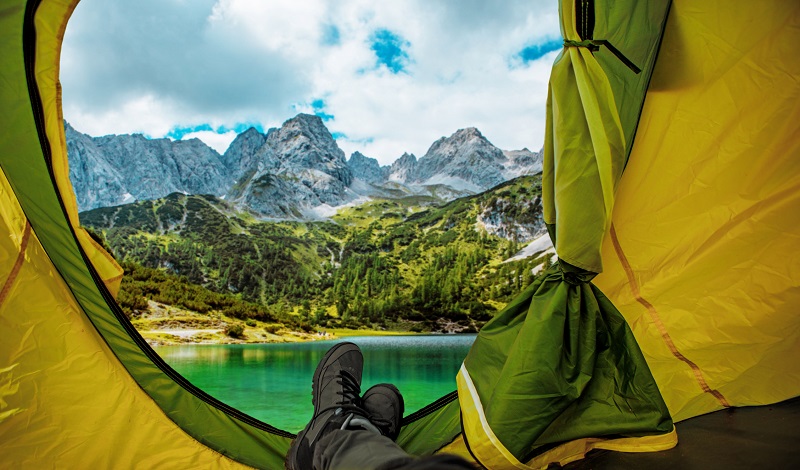
If you’re new to camping, experts recommend that you stay close to home or, at least, close to civilization. You want to be near home or help if an emergency arises.5 Many state and national parks offer campsites, many for free, though you may need to reserve in advance (in some places, well in advance). You can locate more than 100,000 of them at Recreation.gov which has a handy trip builder that can locate campsites based on your wants and needs and then book it for you.6
Trying to stay away from the crowds? Look into “dispersed camping.” You’ll be less likely to run into other people, though you may not have access to amenities like toilets and showers, according to the Sierra Club.7
Another website, Ultimate Campgrounds, offers a handy phone app that will get you to thousands of public campsites in the US and Canada.8 You can also find private campsites with many amenities through KOA that offer a variety of options, from tent sites to teepees, Airstreams, cabins and spots to park your camper. Just be aware that you won’t be alone.9
Think of Campspot10 and Hipcamp11 as the AirbnB of camping. These campsites go for a fee but if you hanker to camp in a yurt, a treehouse, or a resort, there are plenty to choose from, including many near national parks.
2. Draw up a checklist.
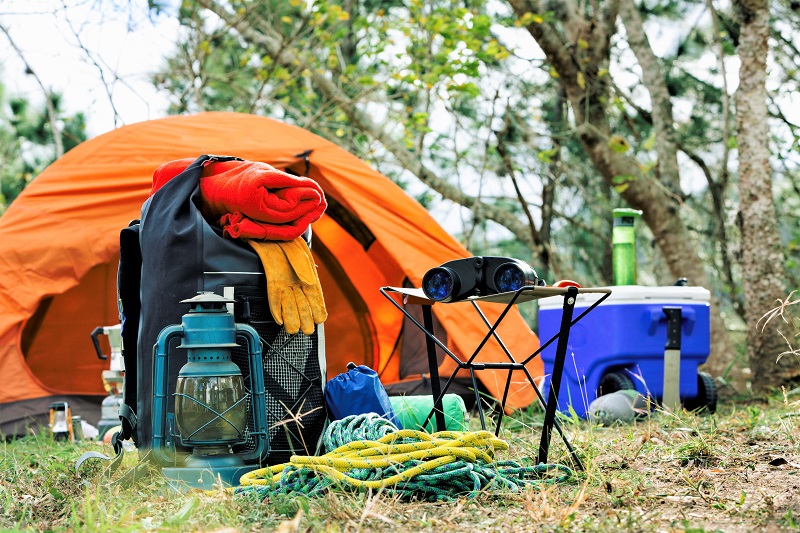
Make sure you have all the essentials, particularly if you won’t be near a store. REI Co-p12 provides a comprehensive checklist that you can use to ensure you’re well prepared. Here are some must-have items you’ll need:
- Tent
- Sleeping bags and pads
- Flashlights, lanterns or headlamps with loads of batteries
- Chairs
- Stove and fuel or grill
- Matches or Firestarter
- Kitchen utensils (such as frying pan, forks, knives, spoons, plates, bottle opener, cups, etc.)
- Cleaning products
- Toilet paper
- Wipes
- Hand sanitizer
- Toiletries
- Medications
- Sunscreen
- Sunglasses
- Insect repellent and bug spray
- Cellphone and car charger
Bring along a first aid kit that contains, among other things, a variety of bandages, antibacterial ointment, antiseptic wipes, antihistamines, pain relievers, insect sting treatment, diarrhea medicine, antacids, eye drops, aspirin, an EPI pen for serious allergic reactions and a heat-reflecting blanket.13
3. Make it easy and comfy.
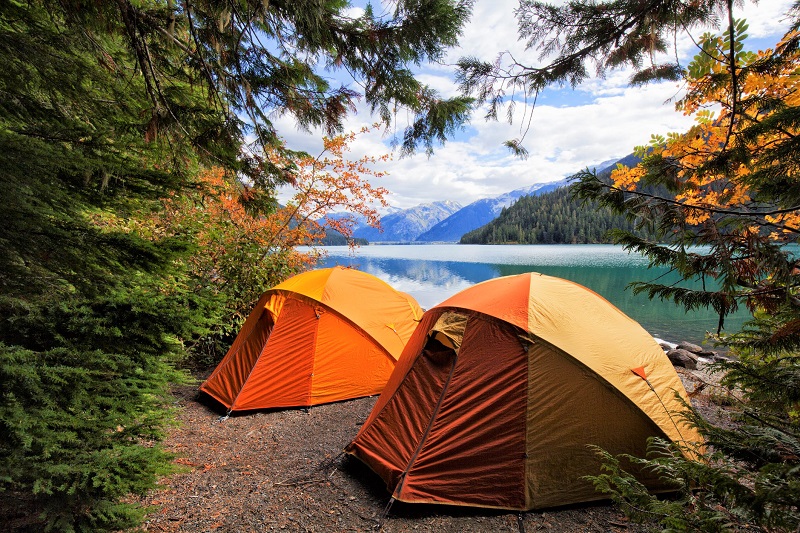
“Roughing” it? If you’re in the market for a tent, pick one that’s easy to set up and opt for one that might be a little bigger than you think you need so everyone feels more comfortable.
7 Easy Tips for Natural Stress Relief
Read More4. Do a test-run.
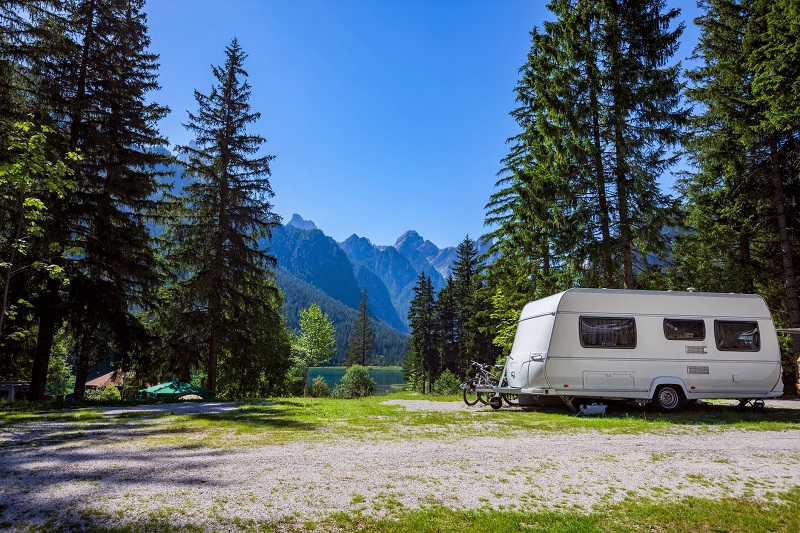
Try out your camping safety gear—including the tent and sleeping bags—before you set off for the wilderness (or even your local park). You don’t want any surprises, like a leaky roof, a propane stove that sputters and dies, or a lantern that doesn’t light when you’re far from home.
5. Prepare for all kinds of weather.
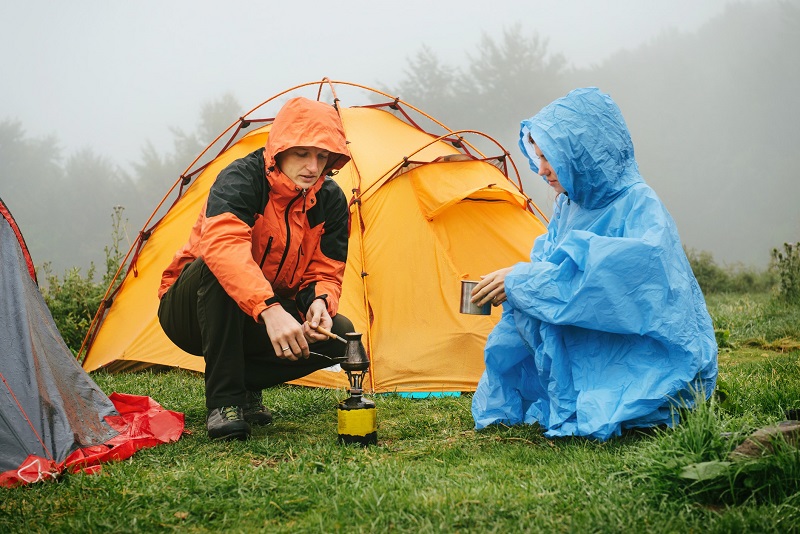
Bring clothing for wet, cold, hot and dry. Depending on where you camp, you could experience it all. Most important: Listen to weather reports! If a big storm is on the way, you may want to change your plans.
Make sure you have appropriate footwear if you’re going hiking (and don’t break it in on your first trail!).
6. Make sure you have plenty of water.
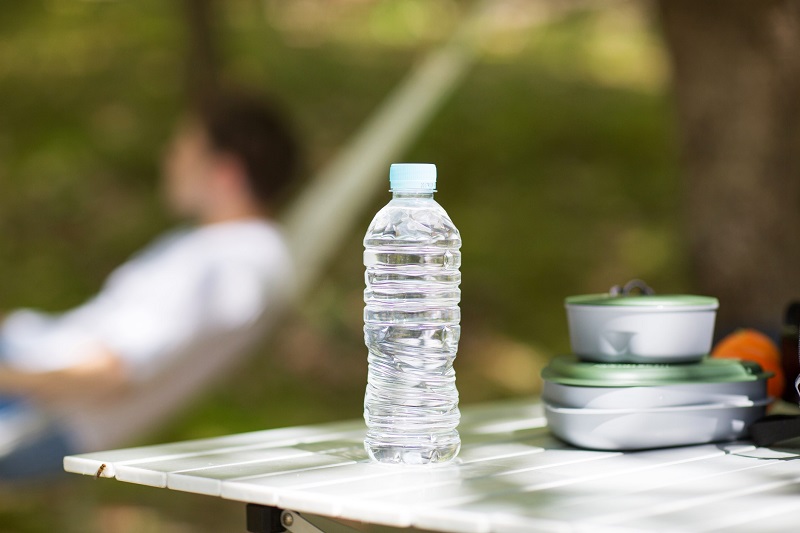
You don’t want to get dehydrated in the wilderness. It can be deadly. If you’re backpacking, water can be heavy to carry (16 ounces is more than a pound), so stay in areas where there is clean water available. Many campsites have water fountains where you can refill water bottles. Keep plenty of fresh water in your cooler, car or RV.14
You can also carry water purifiers or filters with you to use with local water (such as a lake or stream). Talk to a camping expert about which one is right for you and how to use it.15

How to Know if You’re Dehydrated
Read More7. Buy a cooler with extra insulation.
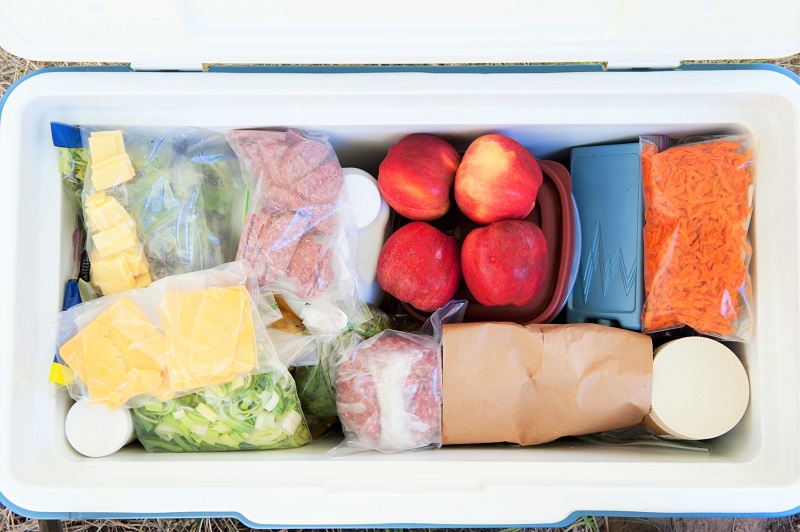
Coolers with double insulation cost a bit more but they’ll keep your perishables colder longer. Opt for one with wheels—so much easier to tote! Layer your food in the cooler with ice packs on the bottom, where you’ll also have drinks such as milk or juice. At the middle level pack other perishable items such as meat and cheese. At the top, place produce, eggs, bread and something like pre-cooked whole wheat pasta for a quick meal.16
8. Plan ahead for meals.
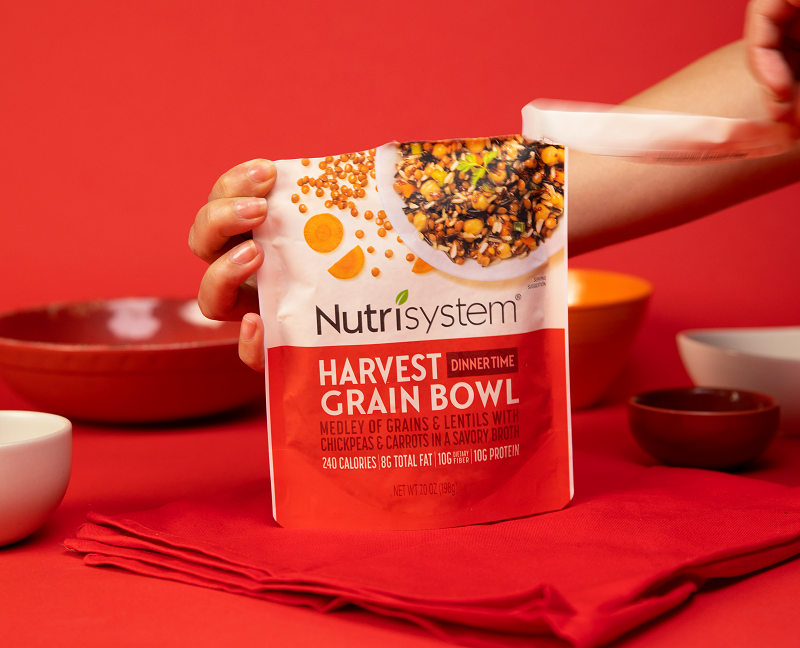
Yes, you can stay on your diet while you’re camping. Figure out how much food you’ll need for the number of days you’ll be camping. Nutrisystem makes it easy. Look for breakfast, lunch and dinner entrees that aren’t frozen. They’re as easy to make on a camp stove as prepackaged foods designed for camping and hiking and (in most cases cheaper).
There’s Mac and Cheese with Turkey Sausage, BBQ Seasoned Chicken, Hearty Beef Stew, Harvest Grain Bowl and many others that pack easy and cook up quick. While everyone is dipping into their trail mix, you can enjoy a Dark Chocolaty Sea Salt Nut Square or one of our other grab-and-go snack bars. For breakfast? Try the new Granola Cereal or Apple Walnut Oatmeal which can fortify you for a day of hiking, canoeing or fishing.
Also, check The Leaf for recipes. For example, you’re going to want s’mores by your campfire. It’s not really camping if you don’t have s’mores. Leave the regular graham-marshmallow-chocolate treats to the family and whip up our easy-to-make recipe for No Bake S’more Protein Balls to enjoy either around the campfire or as a quick pick-me-up on a hike. We also have recipes for lightened-up trail mix, such as our Sweet and Salty Trail Mix or Sweet and Smoky Trail Mix.

5 Tips to Plan a Diet-Friendly Backyard Picnic
Read MoreSources:
- https://cw39.com/cw39/growing-popularity-of-rvs/
- https://www.usatoday.com/story/travel/destinations/2020/09/06/camping-rises-popularity-amid-covid-19-travel-concerns-south-dakota/5702412002/
- https://koa.com/north-american-camping-report/
- https://www.cdc.gov/coronavirus/2019-ncov/daily-life-coping/visitors.html
- https://koa.com/blog/a-beginners-guide-to-camping-for-the-first-time/
- https://www.recreation.gov
- https://www.sierraclub.org/sierra/how-master-pandemic-camping
- http://www.ultimatecampgrounds.com
- https://koa.com/why-koa/
- https://www.campspot.com
- https://www.hipcamp.com
- https://www.rei.com/learn/expert-advice/family-camping-checklist.html
- https://www.rei.com/learn/expert-advice/first-aid-checklist.html
- https://www.rei.com/learn/expert-advice/hydrate.html
- https://www.rei.com/learn/expert-advice/water-treatment-backcountry.html
- https://www.cookinglight.com/entertaining/holidays-occasions/what-to-pack-cook-weekend-camping-trip-menu-guide
The post 8 Camping Trip Tips for a Safe and Healthy Outdoor Adventure appeared first on The Leaf.
Comments
Post a Comment