When talking or reading about weight loss, we hear a lot about managing and adjusting our calories. But what exactly are calories? How do we know just the right amount to consume each day? And how might our caloric needs change as we lose weight?

What 100 Calories Really Looks Like
Read More
What are Calories?

The answer to this first question is easy. Calories are a simple way to measure the amount of energy you get when you eat food, says Mayo Clinic. Your body needs calories just to perform its most basic functions—keeping your heart beating and your lungs breathing—as well as to fuel your daily activities, from walking around to working at your job.
Carbohydrates, fats and proteins are the macronutrients that provide the bulk of your calorie intake. According to Mayo Clinic, they are your body’s main energy source. No matter which nutrients you eat, the calories are either rapidly converted to energy or stored in the body as fat. “These stored calories will remain in your body as fat unless you use them up, either by reducing calorie intake so that your body must draw on reserves for energy, or by increasing physical activity so that you burn more calories,” says Mayo Clinic.
Calories and Weight Loss

According to Merriam-Webster, the metabolism is all the processes by which the body converts calories into energy. You may have heard that if you consume a greater number of calories than you burn, you will gain weight. And this is fundamentally true. However, the number of calories that you need each day is influenced by a variety of metabolic factors, such as your age, gender, height, starting weight and daily activities.
These metabolic factors determine your total daily energy expenditure (TDEE) or the number of calories you burn each day. As you lose weight or change your activity level, your TDEE and metabolism adapts and changes. Because of this, many dieters find that their diet is “less effective” over time. In reality, they haven’t adjusted their eating! They’re still eating for their starting TDEE.
If you continue to diet without adjusting your calories for changes in weight or activity level, your results can take a big hit. According to the peer-reviewed journal, Obesity, losing weight decreases the metabolism, causing you to burn fewer calories throughout the day. Everyday activities also tend to decrease on a reduced calorie diet for weight loss. On the other hand, as you shed extra pounds, you may be more likely to engage in physical activity and structured exercise. While most people assume that an increase in activity leads to faster calorie burning, this is not always the case when dieting. Consuming less calories can cause you to burn less calories during exercise. All of this leads to metabolic adaption and different caloric needs during the weight loss journey.
You’ll get the swiftest results if your weight loss plan accounts for the changes your body goes through as you drop the pounds, as well as all of your other personal attributes. But here’s the good news: adjusting calories doesn’t have to mean giving up foods you like or even eating less food. Instead, you can choose meals and snacks that nourish you well and satisfy your appetite without loading you up on empty calories.
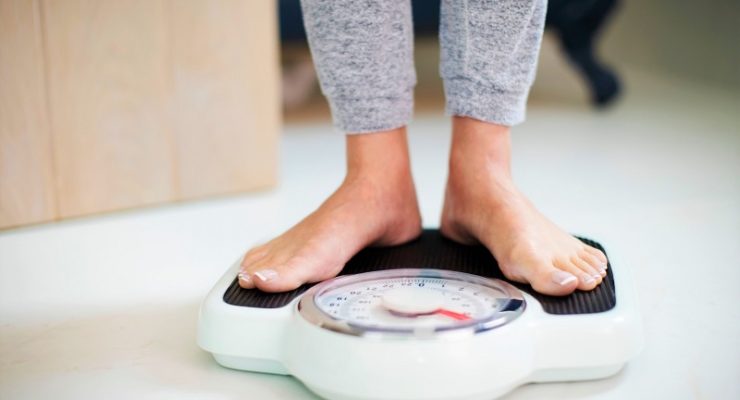
Metabolism and Weight Loss: What You Need to Know
Read MoreCalories on Nutrisystem

The all-new personalized programs from Nutrisystem take your unique metabolism and TDEE into account to create a weight loss plan tailored to you. We understand that your metabolism and needs change as you lose weight and get more active. That’s why we’ve integrated the NuMi app into the personalized Nutrisystem journey. This is our smart weight loss tool that adjusts your meal plan to your ever-changing needs, so you can keep losing weight and progressing towards your goal at an inspiring pace. NuMi will monitor your TDEE as you lose weight, adjusting your calories and meal plan as needed. It’s a diet that adapts to you!
There is no doubt that a calorie deficit is important for losing weight. However, decreasing your calories too low for too long can actually hinder your progress. If calorie intake is too low, the body will defend against this by decreasing the metabolism. This is the metabolic adaptation we mentioned earlier! Nutrisystem personalized plans aim for a healthy rate of weight loss, which is about one to two pounds per week. This helps to ensure a healthy weight loss while trying to minimize the metabolic adaptation.
On Nutrisystem, you also get to eat all kinds of foods you love, from burgers and pizza to ice cream and cake. Plus we send them directly to your door in perfect portions for the ultimate convenience.
As you travel on your weight loss journey, Nutrisystem dietitians use the information you provide to recommend the best foods for you from our extensive menu and with the “add-ins” you pick up at the grocery store. This guidance keeps you making progress to your goal, even as your body—and its needs for calories—change. That’s the straightest path to the new, slimmer you!
Lose weight with a personalized meal plan tailored to you! Get started with Nutrisystem today >

4 Science-Backed Reasons a Personalized Diet Plan Works
Read MoreThe post The Importance of Adjusting Calories for Weight Loss appeared first on The Leaf.
Comments
Post a Comment