
Trouble Drinking Enough Water? 10 Hydrating Foods You Need to Be Eating

Water does much more for your health than just quench your thirst. It keeps your metabolism working steadily, so you’re burning calories all day—even when you’re “at rest.” It also helps fill you up, so that you’re less likely to mistake dehydration for hunger. Nutrisystem dietitians recommend you get about 64 ounces of water every day. But, that doesn’t mean you have to chug down glass after glass to keep yourself hydrated. The hydrating foods you eat also contribute to your daily intake.

Water makes up more than 90 percent of the weight of 10 very popular vegetables. All of them are non-starchy sources of your greens, meaning you can enjoy as much of them as you want and stay on track with your Nutrisystem weight loss plan. Eat them raw or lightly steamed to really maximize their moisture content.

Fill up on veggie nutrition with these 10 hydrating foods:

1. Cucumbers
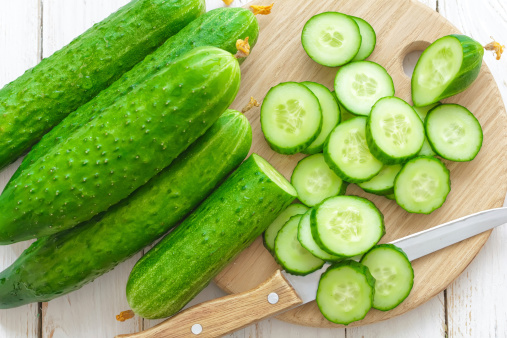
hydrating foods

Water content: About 96 percent
Try this: Substitute juicy “cuke” slices for lettuce in your favorite sandwich and skip the mayo.

2. Romaine lettuce
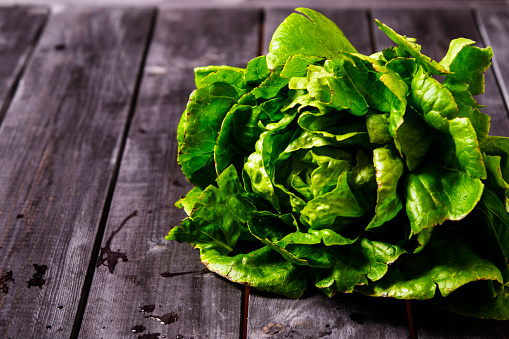
hydrating foods

Water content: About 95 percent
Try this: Fill firm romaine leaves with a whole grain and bean salad for a quick, nourishing lunch you can eat on-the-go.

3. Celery
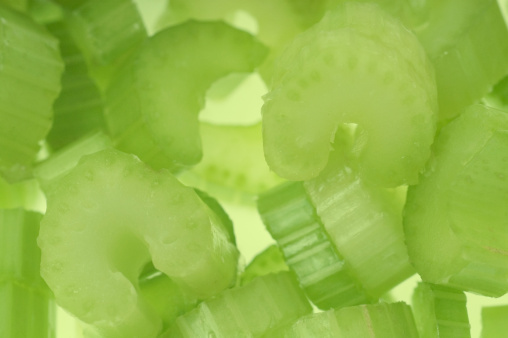
celery hydrating foods

Water content: About 95 percent
Try this: Dip stalks in a fourth of a cup of hummus (a SmartCarb on Nutrisystem), instead of peanut butter, which has more than five times as much fat.

4. Radishes

radish hydrating foods

Water content: About 95 percent
Try this: Get crafty with the Fresh Radish Salad on The Leaf. Or, top a slice of whole wheat toast (one SmartCarb on Nutrisystem) with a tablespoon of creamy, mashed avocado (an Extra) and thin slices of zesty radish.

5. Zucchini

zucchini noodles hydrating foods

Water content: About 95 percent
Try this: Look for zucchini “noodles” in the produce section at the grocery store or make your own with a spiralizer. Your Shrimp Scampi couldn’t get healthier!

6. Tomato
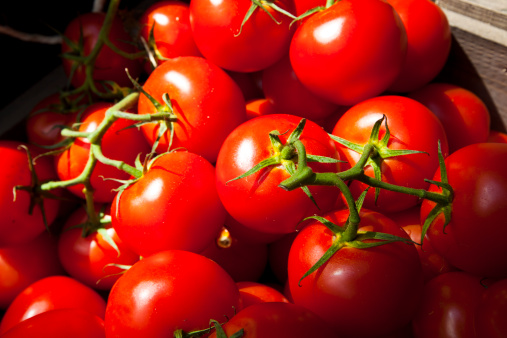
tomatoes hydrating foods

Water content: About 94 percent
Try this: Carve out the tomato’s stem and a few inches around and below it, then fill the opening with tuna! A half of a cup of water-packed tuna counts as a PowerFuel on Nutrisystem.

7. Bell Peppers

bell peppers hydrating foods

Water content: About 93 percent
Try this: Toss diced peppers with splashes of vinegar, a teaspoon of oil (one Extra on Nutrisystem) and fresh herbs to make a simple relish for sandwiches.

8. Cauliflower
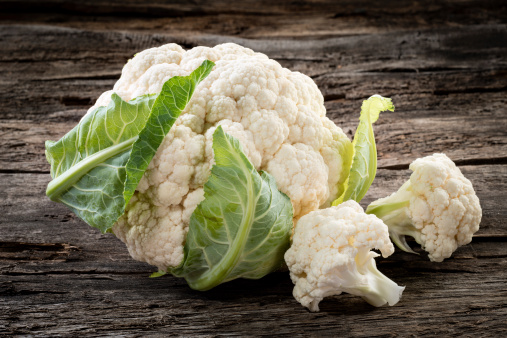
cauliflower hydrating foods

Water content: About 92 percent
Try this: Steam florets until tender, then whip them with non-fat milk to make a healthy alternative to mashed potatoes.

9. Spinach
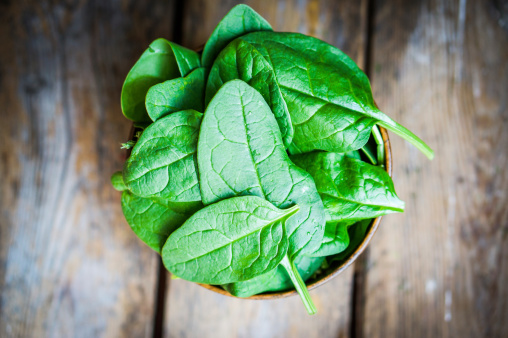
spinach

Water content: About 91 percent
Try this: Add a handful of spinach to smoothies for an extra-hefty dose of vitamins and fiber.

10. Broccoli
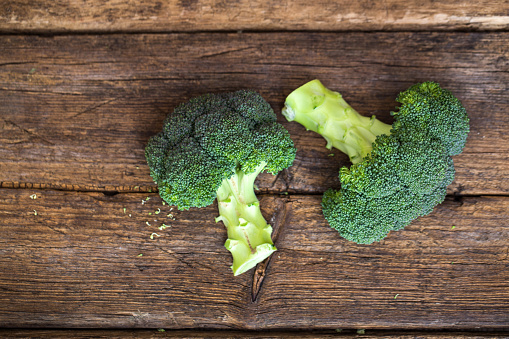
Broccoli

Water content: About 90 percent
Try this: Shred the stalks (the stems that are often discarded) and use them as the base for a tasty variation on coleslaw.

How Much Water Do You Really Need? How to Know

Read More

The post Trouble Drinking Enough Water? 10 Hydrating Foods You Need to Be Eating appeared first on The Leaf.


Comments

Popular posts from this blog

The Best Source of Vitamin D

If one is going to make an evolutionary argument for what a “natural” vitamin D level may be, how about getting vitamin D in the way nature intended—that is, from the sun instead of supplements? I run through the pros and cons in my video The Best Way to Get Vitamin D: Sun, Supplements, or Salons? . Though supplements may only cost about 10 dollars a year, sunlight is free. We never have to worry about getting too much vitamin D from sunlight, since our body has a way to regulate production in the skin, so if we get our D from the sun, we don’t have to trust poorly regulated supplement companies not to mislabel their products. Indeed, only about half the supplement brands that researchers tested came within 10 percent of their labeled amount. Sunlight may also have benefits beyond vitamin D, such as how our body may use the sun’s near-infra-red rays that penetrate our skin to activate chlorophyll by-products in our bloodstream to make Co-Q10. (See my video How to Regenerate Coenz...

Monday Motivation: 10 Workday Habits of Healthy People

Spending a good chunk of your day inside an office, plopped and stressed in front of a computer, can take a toll on your health, frame of mind and diet. You’re likely not moving your body enough and perhaps sticking your hand in the communal candy bowl a little too much. Making a few small changes to your workday routine or office space can help you stick to your diet plan, shed unwanted pounds and even sneak in a little exercise and added weight loss motivation! 9 Sneaky Fat Traps at the Office You Need to Avoid Read More Here are 10 simple strategies to help you stay healthy at work: 1. Fill up before work. Eating a nutritious breakfast not only helps provide the fuel you need to begin your workday but can also help you lose weight and keep it off. A survey from The National Weight Control Registry showed that the majority of people who maintained a 30-pound weight loss for one year or more ate a breakfast. Plus, according to Colorado Women’s Chamber of Commerce, studies ...

5 Full Body Dumbbell Exercises for Your At-Home Fitness Routine

Overwhelming evidence from numerous studies supports the importance of strength training . It can help you slim down and even support overall better health, including healthy aging. A study funded by the National Institutes of Health found that resistance training may have more impact on bone density than aerobic exercise—which his important to avoid frailty in older age. 1 But for a lot of people, adding strength training to your at-home fitness routine can be intimidating. If you fall into that category, you might be feeling like you don’t even know where to begin. Fortunately, it doesn’t have to be complicated and you can see great success with minimal equipment for your home workouts. Dumbbell (also called “free weight”) exercises are a great place to start for full body exercises. If you’re a true beginner, use light weight to prevent injury or strain and work your way up to more poundage. As you get started with a dumbbell routine, here are five exercises to try. 10 Ten-Mi...