Gardening might not be high on your list of priorities this season but if your mental, physical and emotional health are important to you, it should be. But, there are many gardening benefits that assist with a healthy lifestyle.
From boosting your immune system to cutting your risk of heart attack and stroke, a growing body of research suggests that there are a multitude of gardening benefits associated with this simple act.
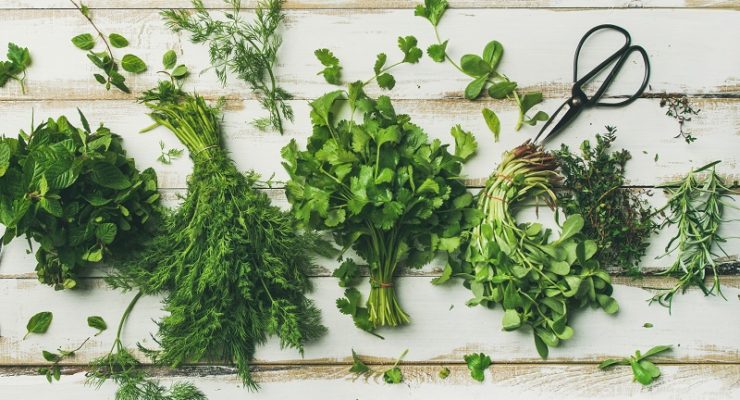
Gardening With Scott: 8 Easy Herbs to Harvest
Read More
Here are seven gardening benefits that help with healthy living:
1. It relieves stress.
Multiple studies suggest that gardening can lower levels of cortisol, the infamous stress hormone. One study published in the Journal of Health Psychology compared the effects of gardening to reading, and found that while each led to decreases in cortisol, decreases were significantly stronger in the gardening group.Other research indicates that gardening also has a positive impact on high blood pressure and glucose levels.
2. It makes you happy.

In the study referenced above, the group that gardened reported being in a better mood than those in the reading group. That’s probably because gardening has been associated with an increase in the levels of serotonin, the “feel good hormone.”
And according to a meta-analysis published in the Preventive Medicine Reports, gardening is associated with reductions in depression and anxiety, as well as increases in life satisfaction, quality of life and a general sense of community.
3. It gets you moving.
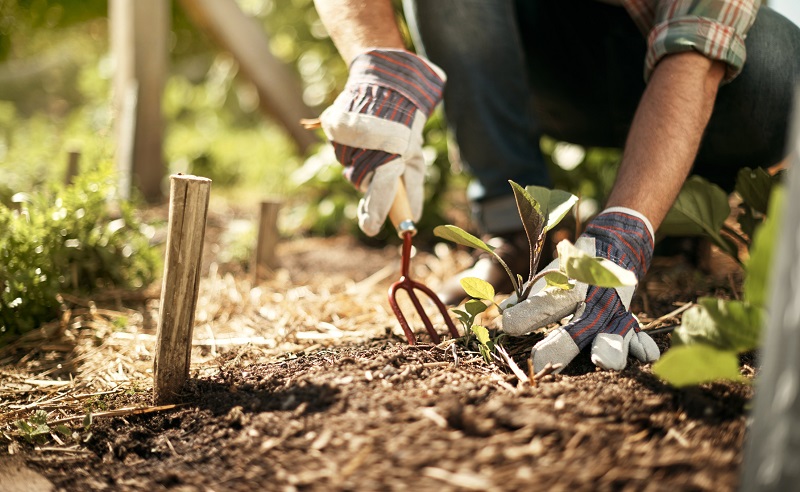
Weeding, digging, twisting, bending, squatting, pulling… gardening requires a lot of activity. And according to the Texas A&M University Horticulture program, even less intense gardening tasks can burn up to 300 calories an hour. Add spading, lifting, tilling and raking to the mix, and you’ll also increase muscle tone and strength.
Bonus: Gardening is a great low-impact exercise, perfect for those with joint pain.
Gardening With Scott: 8 Easy Herbs to Harvest
Read More4. It keeps your weight in check.

All that movement can add up: A study published in the American Journal of Public Health revealed that people who partake in community gardening have a lower body mass index and a lower chance of being overweight or obese than those who do not garden.
5. It may lower dementia risk.
Studies reveal that getting your hands dirty in the garden may actually improve your memory. And a study published in the Medical Journal of Australia found that gardening can decrease the risk of dementia by close to 40 percent. Researchers theorize that it’s the hand-eye coordination and sensory awareness that may be to thank.
6. It gives you a vitamin D boost.

According to the Harvard T.H. Chan School of Public Health, nearly one billion people have inadequate levels of vitamin D in their blood. This is of concern since being deficient in vitamin D may increase the risk of several chronic conditions, including osteoporosis, heart disease, multiple sclerosis and even some cancer.
Since vitamin D is not available in many foods, one of the best ways to increase synthesis of the “sunshine vitamin” is to be exposed to sunlight. And research supports this: In a 2014 study published on the National Institutes of Health website, exposure to sunlight helped older adults achieve adequate serum vitamin D levels.
Gardening outdoors is an easy way to soak up the sun and increase vitamin D.
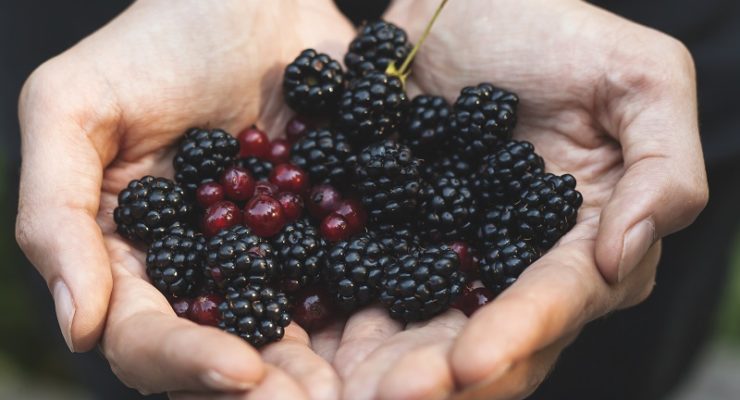
Gardening with Scott: Wild About Fruit
Read More7. It can help your diet.
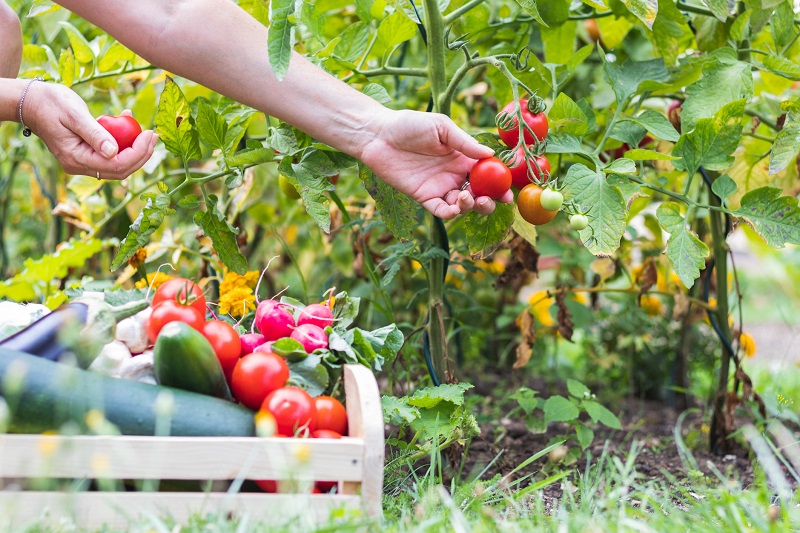
Multiple studies indicate that gardeners are more likely to consume vegetables when compared with non-gardeners. In fact, a study out of the University of Florida Institute of Food and Agricultural Sciences found that people who learn to garden are far more likely to eat the recommended five servings of fruits and vegetables a day–and they also enjoy eating them more than non-gardeners.
That’s probably because growing your own fresh fruits, vegetables, herbs and spices is a great way to ensure you always have delicious, healthy snacks and ingredients on hand.
Bonus: By growing your own produce, you can be confident that no chemicals or pesticides have been used.
Ready to reap the gardening benefits? Check out this article >
The post 7 Surprising Benefits of Gardening appeared first on The Leaf.
Comments
Post a Comment