At lunch time, it’s easy and oh-so-tempting to grab a quick bite at the local fast food or pizza joint or worse—eat at your desk from the vending machine. Don’t lose your momentum and resolve at mid-day. Here are seven ways to make the most of your mid-day meal:
1. Make sure lunch isn’t your first meal of the day.
People on the National Weight Loss Registry—folks who’ve lost at least 30 pounds and kept it off for more than a year—have a number of good habits in common, one of which is eating breakfast. Almost all of them eat a healthy morning meal. There’s a reason that works. Skip the meal that comes eight hours or more after dinner and you’re going to be ravenously hungry by mid-morning and make really bad food choices at lunchtime.
Luckily, if you’re on Nutrisystem, you get a whole assortment of delicious breakfasts. If you need to stock up, or you haven’t ordered any yet, click here to check out our Top 10 Quick & Easy Breakfasts >
2. Start with soup.
Classic studies at Penn State University found that eating soup before your lunchtime meal helps you eat as many as 100 fewer calories—enough to help you shed 10 pounds in a year—the rest of the day! Just be sure to skip the cream-based bowls (think broccoli cheese soup), which tend to pack a pretty high calorie punch.
3. Break up your lunch hour.
Dedicate only half of your break to eating lunch. Spend the other 30 minutes exercising. A British study found that women who ate a carb-based meal then exercised afterward burned 22 percent more fat than those who worked out before eating. (For men, fat burning was more effective if they exercised before they ate.) A similar study published in the Journal of Endocrinology gave more props to post-meal exercise: People who pedaled an exercise bike after eating produced more of the hormones that shut off hunger.
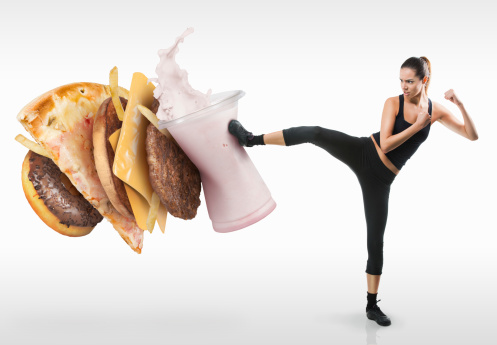
How to Make Exercise a Habit
Read More
4. Lead yourself not into temptation.
Know your trigger foods. If you can’t say no to pizza, cheesesteak, mile-high deli sandwiches or chocolate chip cookies bigger than your head, avoid the restaurants that sell them. Don’t beat yourself up for not being able to resist. A study by researchers at Vanderbilt University found that so-called “rewarding foods”—the ones that call our names—literally hijack our brains and make us unable to control ourselves. Of course, most of those foods are high in fat and sugar. So if you have a choice, stay away from lunch locales that serve them, and stay on that diet plan.
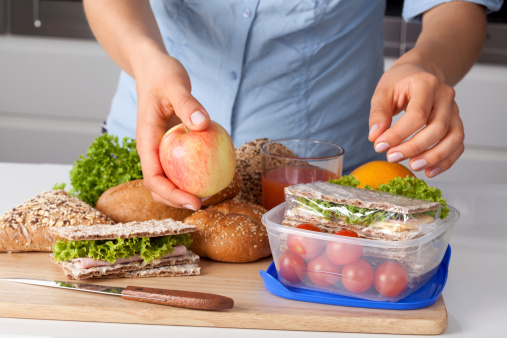
Simple Swaps for a Healthier Lunch
Read More5. Have a little fat with your weight loss meal.
University of California at Irvine researchers found that having a little “good” fat—in this case, oleic acid—during a meal helps send a message to the brain that you’re no longer hungry. So, if you’re having that big, low-calorie salad, consider a little olive-oil-based dressing, some slices of avocado or a small sprinkling of nuts.
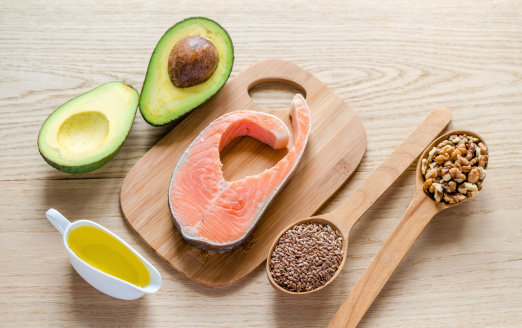
Fats: The Good, the Bad & the Gray Area
Read More6. Cut up your food.
Find portion control tough? Cut your food into small pieces before you eat. An Arizona State University study found that students who were given a bagel cut into small pieces ate less of the calorie-dense food and even ate less of their lunch afterwards. They were far more satisfied than the study participants who were given a whole bagel.

How to Become a Nutrisystem Portion Pro
Read More7. Plan ahead.
Don’t leave food choices to whim or chance. Plan out your lunches once a week, whether you’re making your own or eating out. Chain restaurants usually have their menus online, complete with calorie and nutrient information. Even convenience stores have “grab-and-go” choices that include fruit, vegetables, and protein.
Ready to take the next step in your weight loss journey? Check out our easy-to-follow weight loss plans >
The post 7 Pain-Free Lunch Habits That Melt Pounds (and Burn Calories!) appeared first on The Leaf.
Comments
Post a Comment